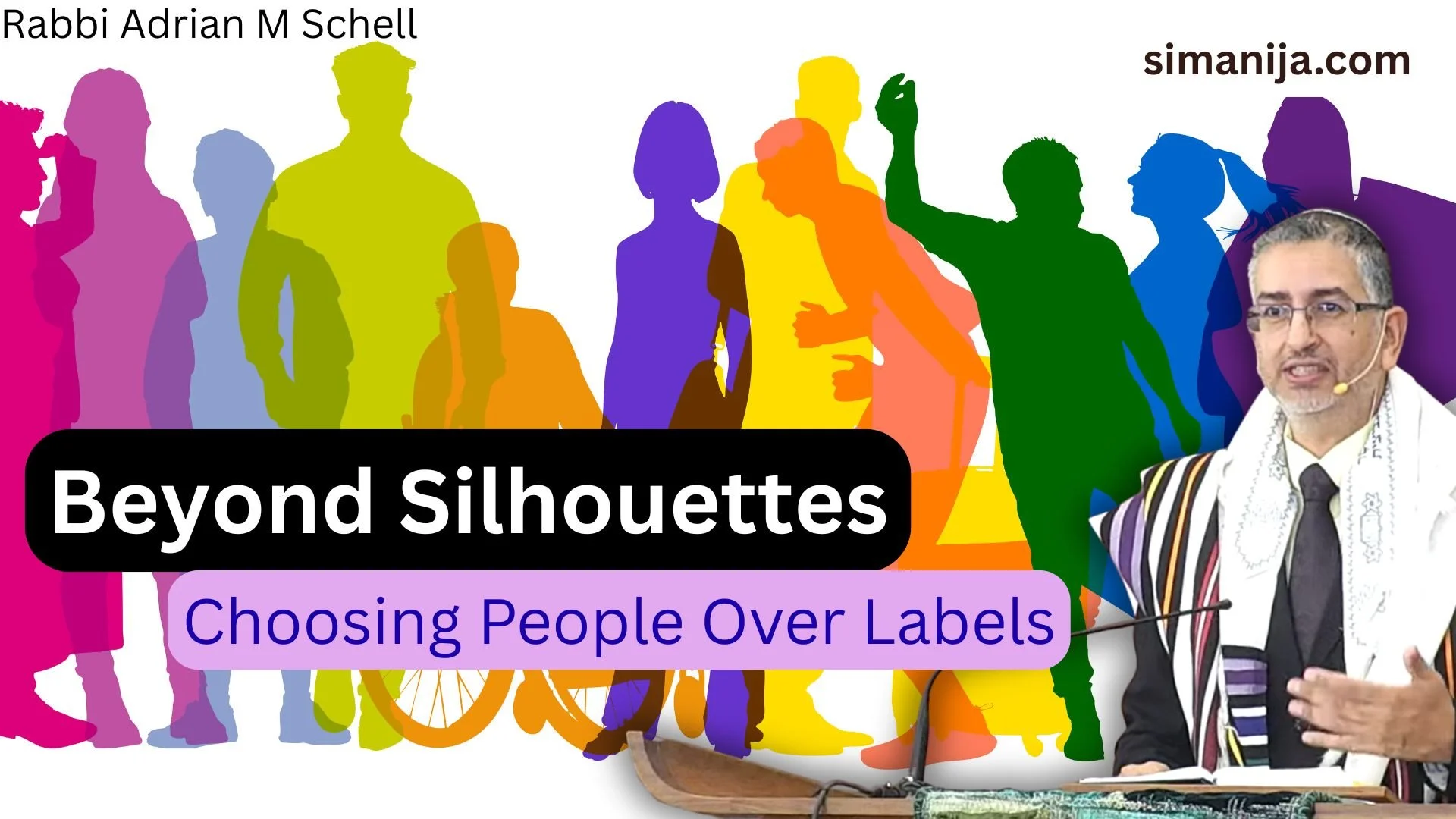
Beyond Silhouettes: Choosing People Over Labels
There is a particular comfort in "we and them" because it tidies a complicated world. The holiness of a community is found in its ability to recognise the individual within the mass. This requires a refusal to see a "refugee" or "man" as a monolith, insisting instead on seeing the Tzelem Elohim [Divine reflection] in every face. Kedoshim tihyu [you shall be holy] is written in the future tense, reminding us that holiness is a direction we must keep moving toward. We do this by choosing to see the humanity of everyone, especially those who make us uncomfortable.
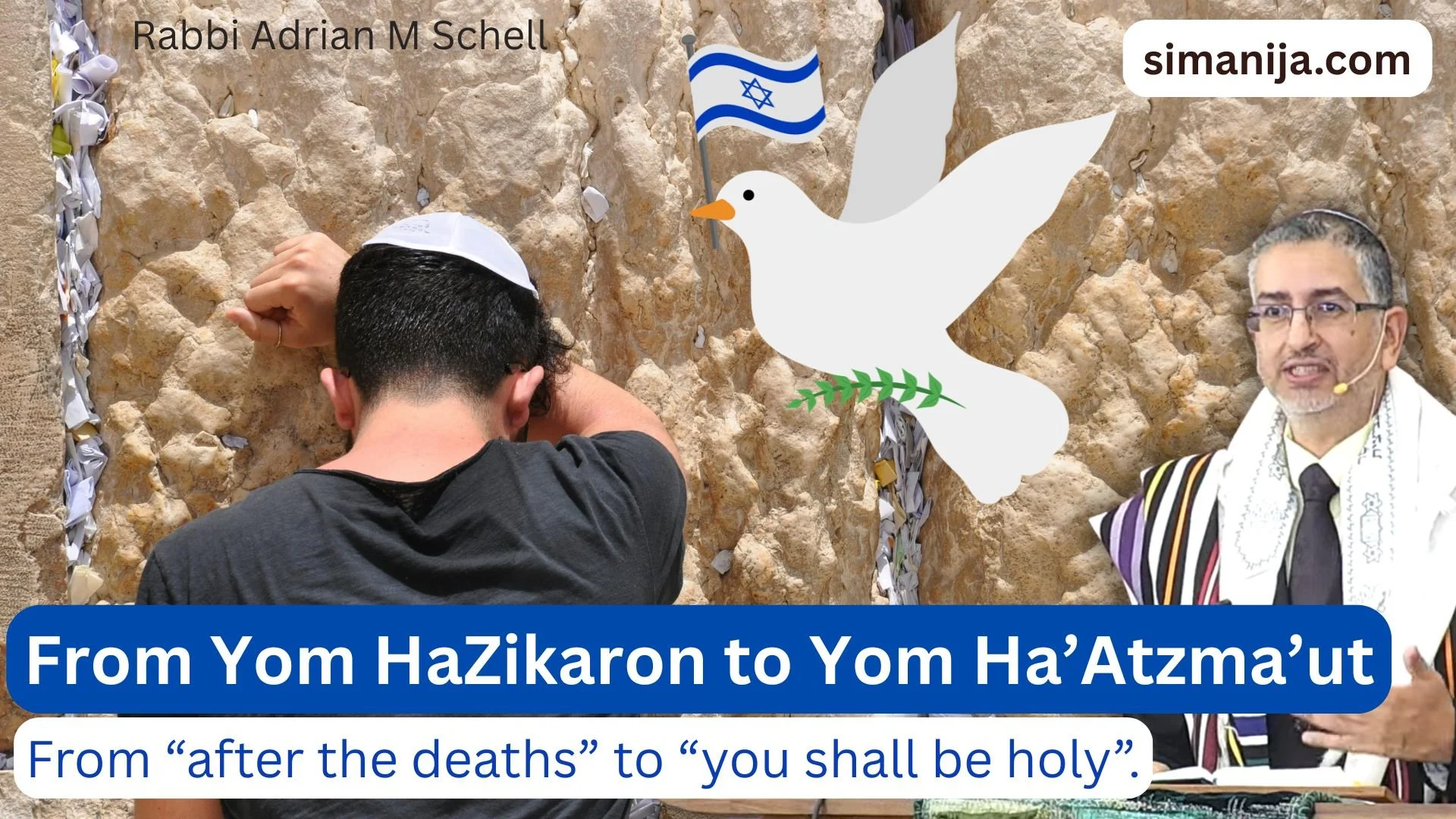
From Yom HaZikaron to Yom Ha’Atzma’ut
This week, as we mark Israel's 78th year of independence, the movement from grief to sovereignty feels more demanding than ever. The pain across the region remains acute, the political reality deeply fractured. What does it mean for us, sitting here in London, to mark this anniversary today?
It means that our response to loss cannot simply be despair. Our response must be a recommitment to the work of Kedoshim. We honour those who have fallen not merely by standing for a siren, but by insisting on a society—both there and here—built on justice, truth, and compassion.
Holiness in the Shadow of History: Lessons from Acharei Mot–Kedoshim and VE Day
On the 80th anniversary of VE Day, this sermon reflects on the powerful intersection of Parashat Acharei Mot–Kedoshim with a moment of both liberation and loss in Jewish and world history.---