
Hearing Requires Room for Every Story
Hearing is never a passive bureaucratic gesture. Twice a day, Jewish liturgy commands us to engage in a profound act of spiritual attention: "Hear, O Israel." We know the Shema not as a polite request, but as the central spiritual imperative of our tradition. To hear is to bear witness to the Eternal, to internalise truth, and to translate that truth into ethical action. In the theological grammar shared by Jews and Christians alike, hearing has never been neutral.
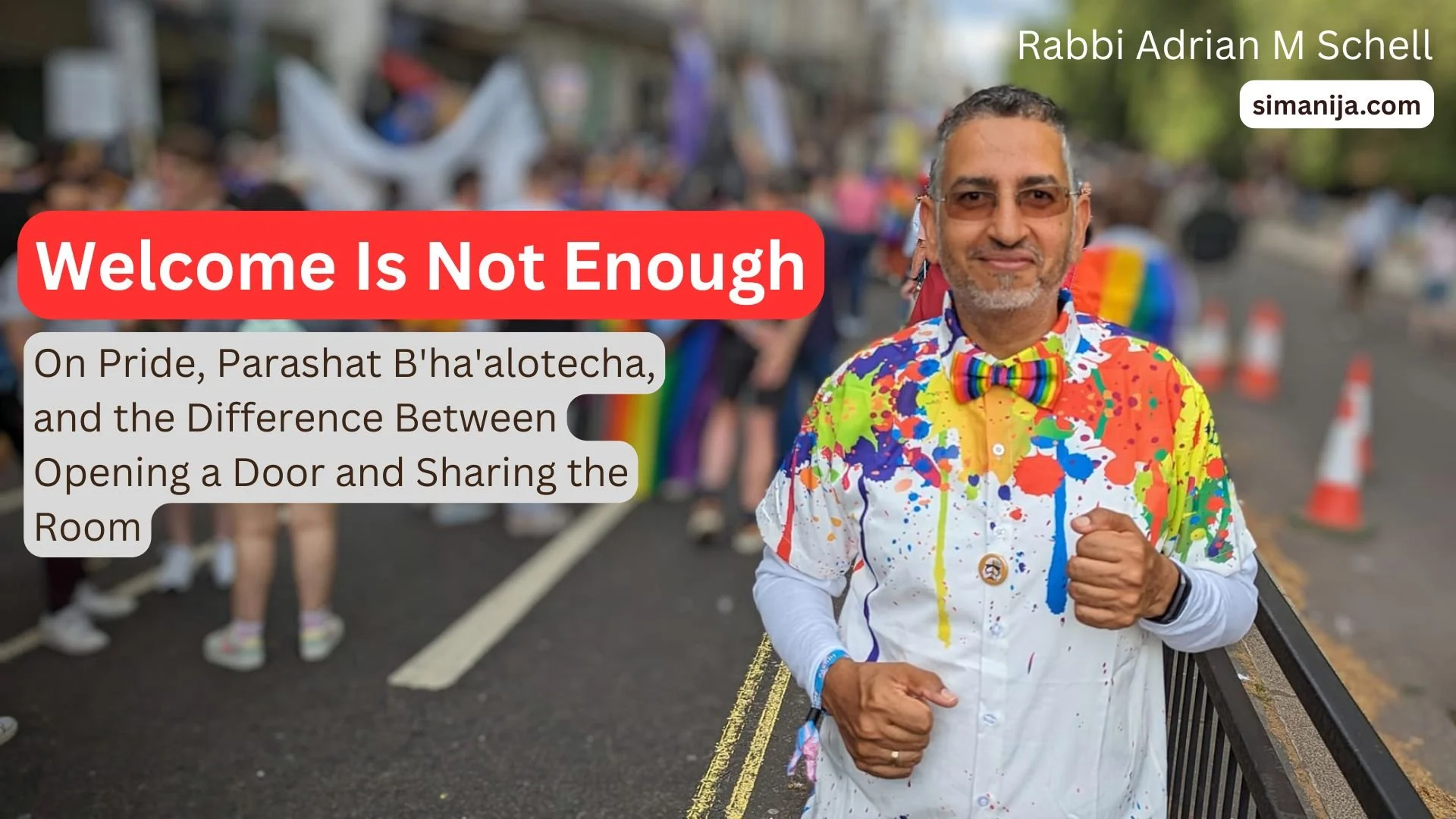
Welcome Is Not Enough
There's a difference between opening a door and sharing the room.
This week's Torah portion — with its "mixed multitude" and the bold question Lamah nigara? ("Why should we be excluded?") — has something urgent to say about Pride Month and trans inclusion in Jewish life.
Rabbi Adrian Schell argues that queer and trans Jews aren't a modern challenge to Jewish tradition. They've always been part of how Jewish community is built, contested, and renewed.
Welcome matters. But belonging demands more. 🏳️🌈✡️
The Holiness of Doing Nothing
Parashat Behar opens with one of the Torah's most radical ideas. Every seventh year, the land of Israel must observe a shmita [sabbatical year]. No sowing, no pruning, no harvesting. The fields are simply left alone. Not because the land is broken, but because rest is not a reward for good work. Rest is a commandment.
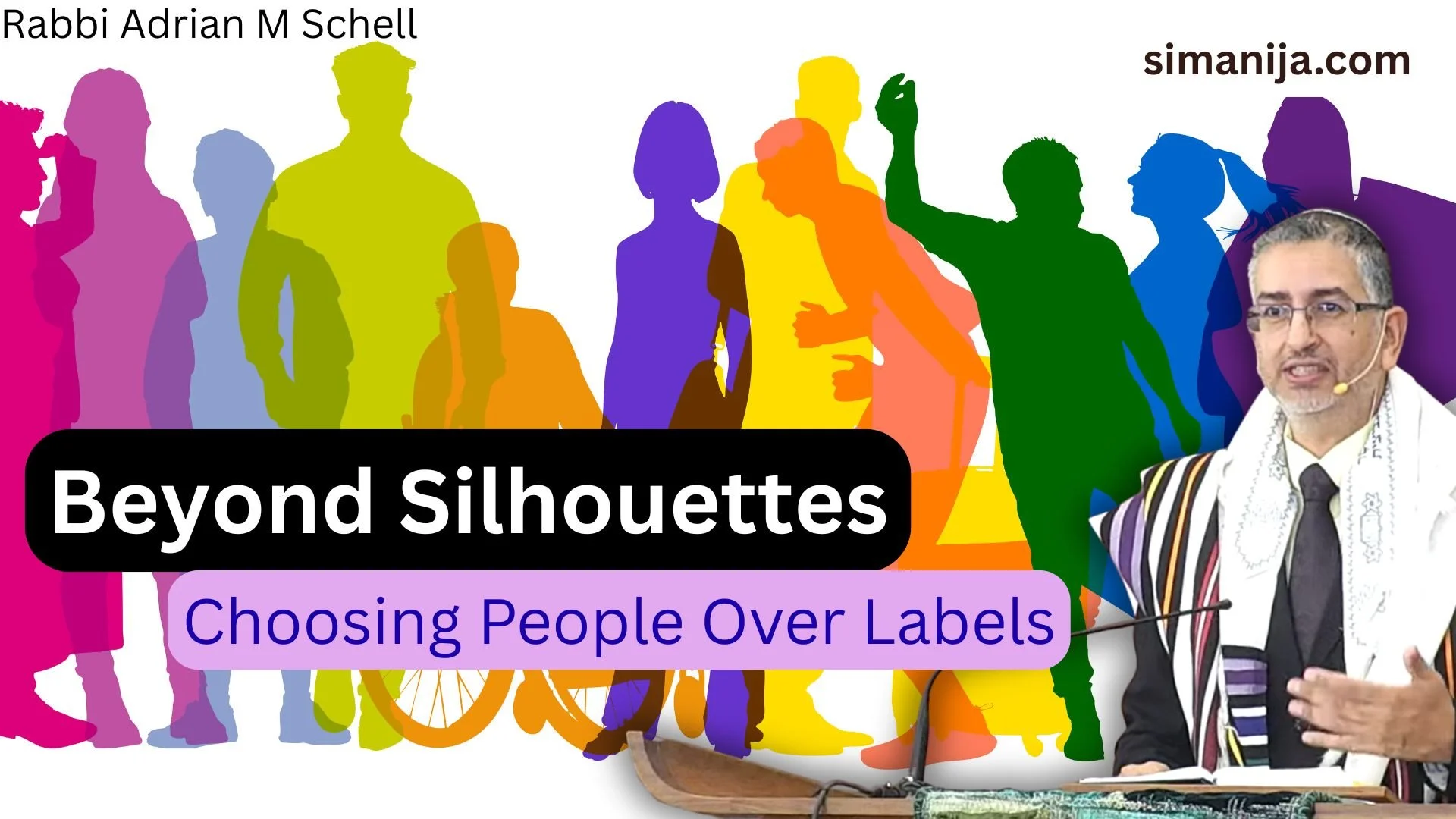
Beyond Silhouettes: Choosing People Over Labels
There is a particular comfort in "we and them" because it tidies a complicated world. The holiness of a community is found in its ability to recognise the individual within the mass. This requires a refusal to see a "refugee" or "man" as a monolith, insisting instead on seeing the Tzelem Elohim [Divine reflection] in every face. Kedoshim tihyu [you shall be holy] is written in the future tense, reminding us that holiness is a direction we must keep moving toward. We do this by choosing to see the humanity of everyone, especially those who make us uncomfortable.
Being Alive is Reason Enough
Life trains us to ask hard questions. We are skilled at complicating what is good, at asking what price was paid and who is left behind. We spill drops of wine at the Seder precisely because we carry the suffering of others inside our own joy.
Yet the Song of the Sea suggests a different spiritual discipline. Sometimes the soul needs the willingness to celebrate deliverance before returning to moral accounting. Breathing in the reality of living is not an act of cruelty. It is absolute fidelity to the truth of a fragile moment.
Relentless news cycles press down on us today. The modern equivalent of a slave mentality is often our inability to step outside the stream of crisis long enough to notice the sheer miracle of our existence. Radical amazement means refusing to treat life as a given. It means looking at a warm spring morning and being staggered by its beauty. It means sitting with family around a Seder table, or standing beside friends in the synagogue, and recognising the breath in our lungs as a profound gift.
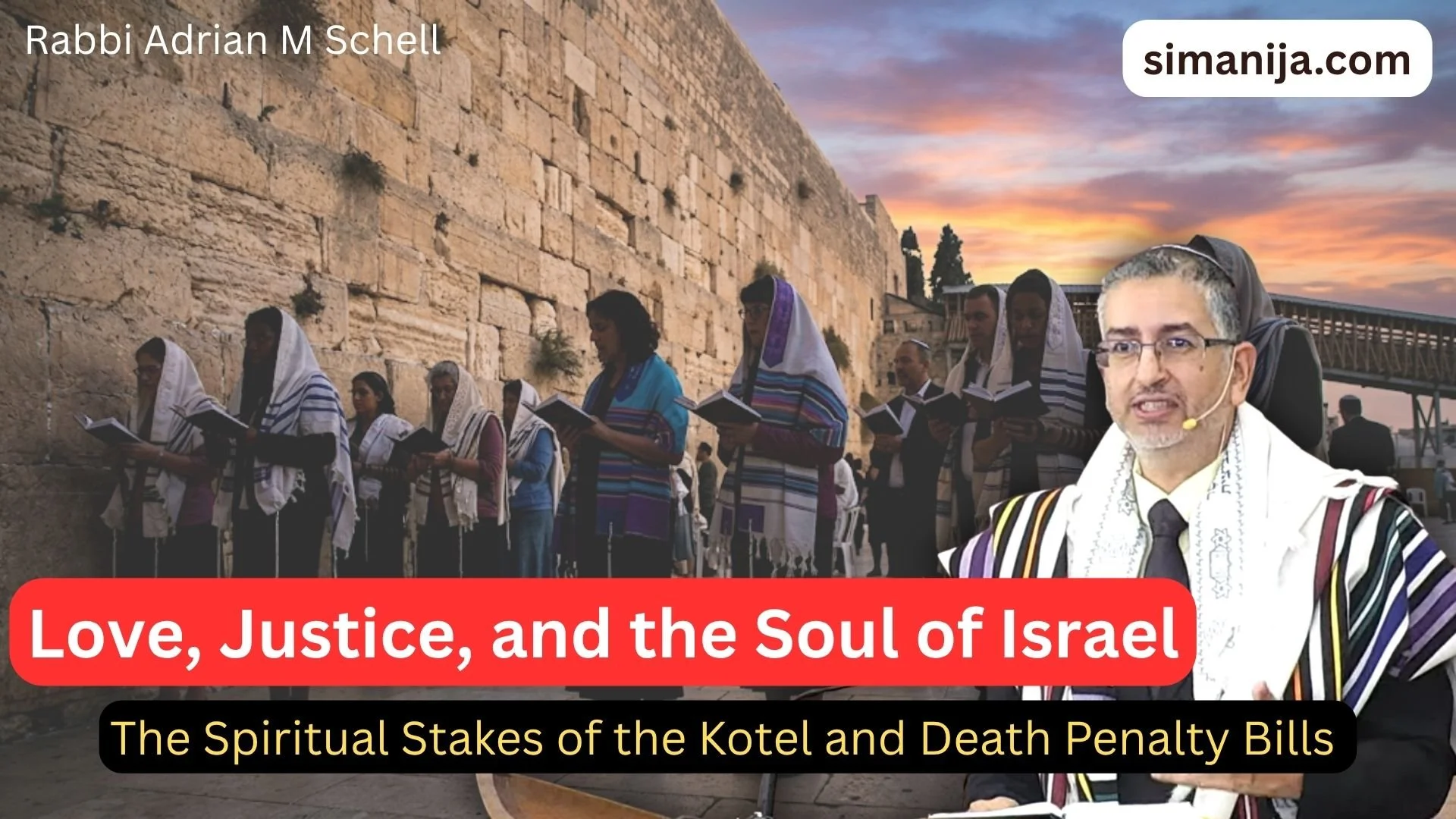
Love, Justice, and the Soul of Israel
Rabbi Adrian Schell examines the moral test of the soul of Israel in this Pesach [Passover] sermon. Drawing on Deuteronomy and Song of Songs, he addresses the Kotel [Western Wall] bill and the Death Penalty Bill, arguing that liberation requires protecting the dignity of the stranger and the Soul of the Jewish State. True love for Israel means speaking out when justice and inclusion are at stake.
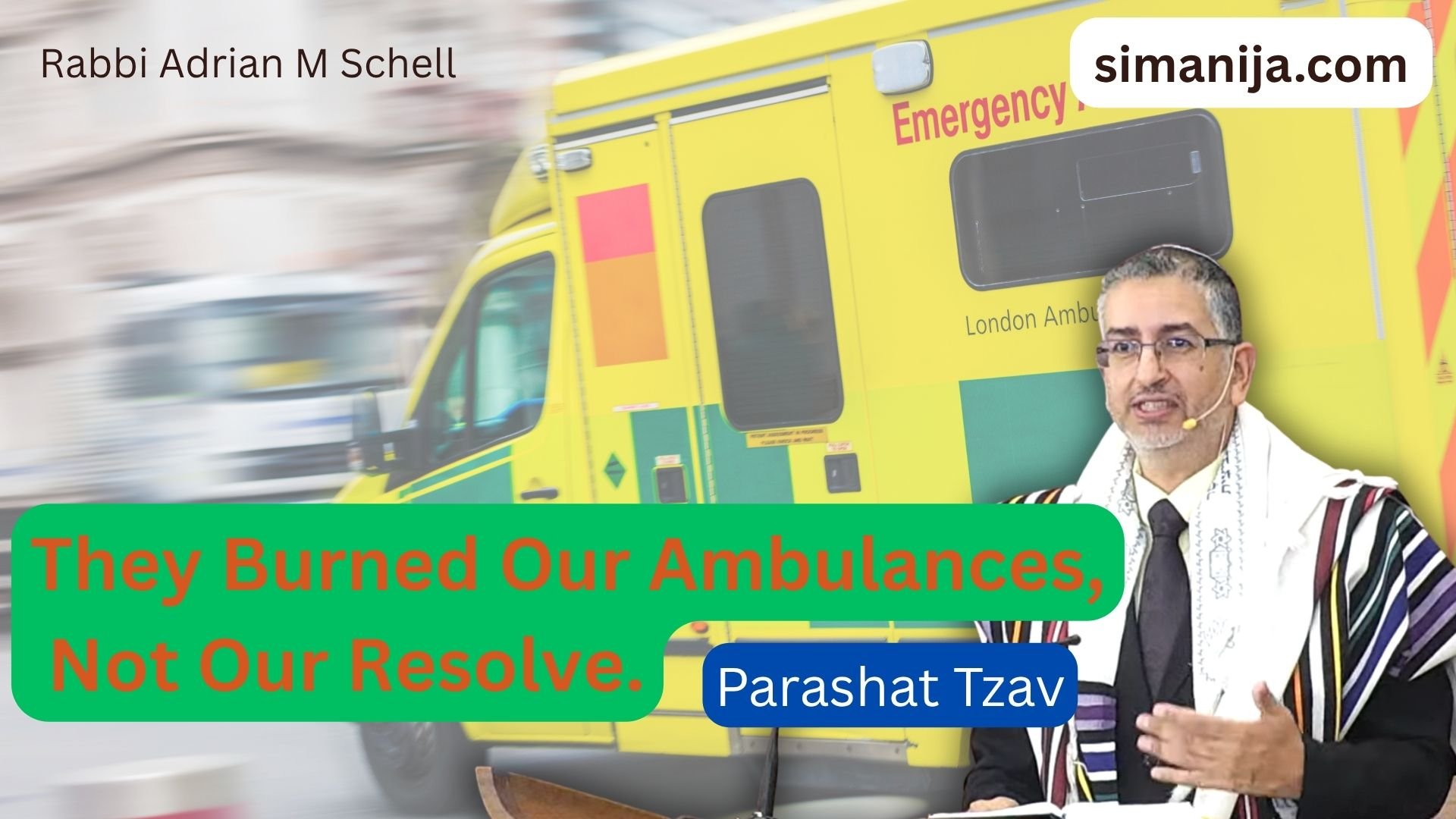
They Burned Our Ambulances, Not Our Resolve
On Monday morning, we woke to images that turn the stomach. Four ambulances, vehicles whose absolute sole purpose is to save lives, were reduced to charred, twisted metal in Golders Green. The shattered glass and the blackened frames speak of a profound, targeted hatred. To attack a Jewish volunteer emergency service is not simply an act of vandalism. It is an assault on the very principle of preserving human life. It is entirely natural to feel outrage, vulnerability and a deep, aching exhaustion when confronted with such blatant antisemitism on our streets. We are allowed to be angry. We are allowed to be horrified by this violation of our community's safety.
Finding Holiness in a Fractured World
Vayikra [and He called] refuses the idea that faith should be simple, tidy, or continuous. It understands that life is fractured, and that a human being often comes to the holy place carrying contradiction. Sometimes we arrive with devotion. Sometimes we arrive with numbness. Sometimes we arrive because something inside us has gone wrong, and we do not quite know how to begin again. The sacrificial system, for all its ancient distance, begins from exactly that truth. It is not a fantasy of perfection: it is a grammar for imperfection.
The word korban [offering] itself comes from the language of drawing near. That means sacrifice is never only about loss. It is also about movement. Something is brought forward. Something of the self is made available to God. The question for us today is not whether we still bring a bull or a ram. The question is what we do now when the soul needs to draw near. What is our equivalent of offering? What does it mean to come before the Eternal honestly, with what we have, not with what we wish we had?
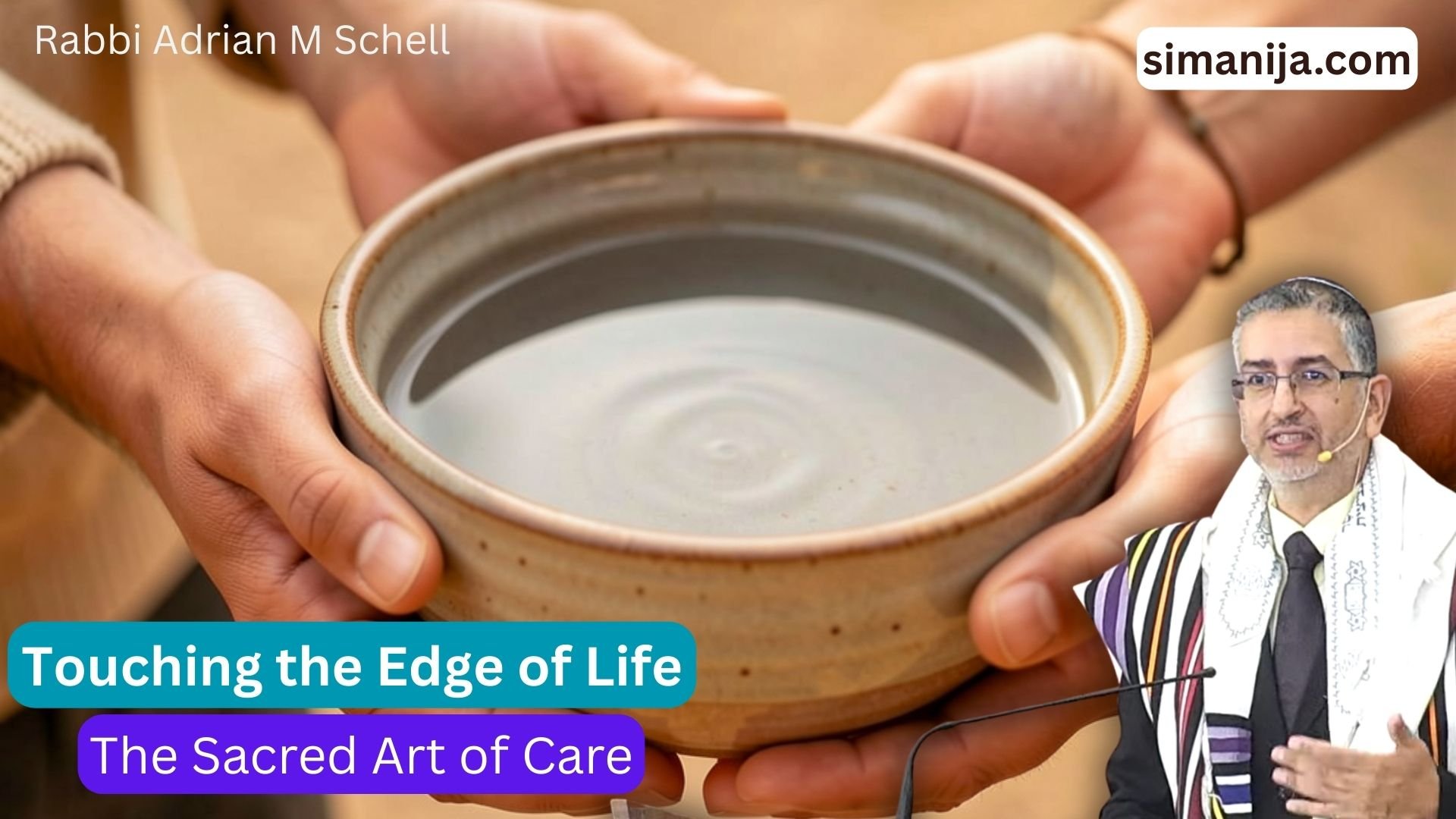
Touching the Edge of Life
The Torah recognises that death and pain change the texture of the air around us. In this sermon for Shabbat Parah, Rabbi Adrian explores the ancient ritual of the Red Heifer (Parah Adumah) from Numbers 19. While we often focus on the bereaved, the Torah highlights a striking paradox: those who help others become "pure" are themselves changed by the process. Proximity to the fire inevitably leaves you smelling of smoke. Whether you are caring for a parent, a spouse supporting a partner, or a volunteer performing the holy work of the Chevra Kadisha or Care Group, this reflection is for you. Rabbi Adrian discusses the sacred weight of gemilut chasadim (acts of lovingkindness), the reality of compassion fatigue, and why the community must hold those who spend their lives holding others. Recorded at the Wimbledon Synagogue. Key themes in this video: The spiritual meaning of Shabbat Parah and the Red Heifer. Recognising the "secondary trauma" and exhaustion of carers. The significance of Zayin Adar (7th of Adar) and the Chevra Kadisha. Why chesed shel emet (true kindness) is the highest form of giving. How a community can better support its comforters and chaplains.
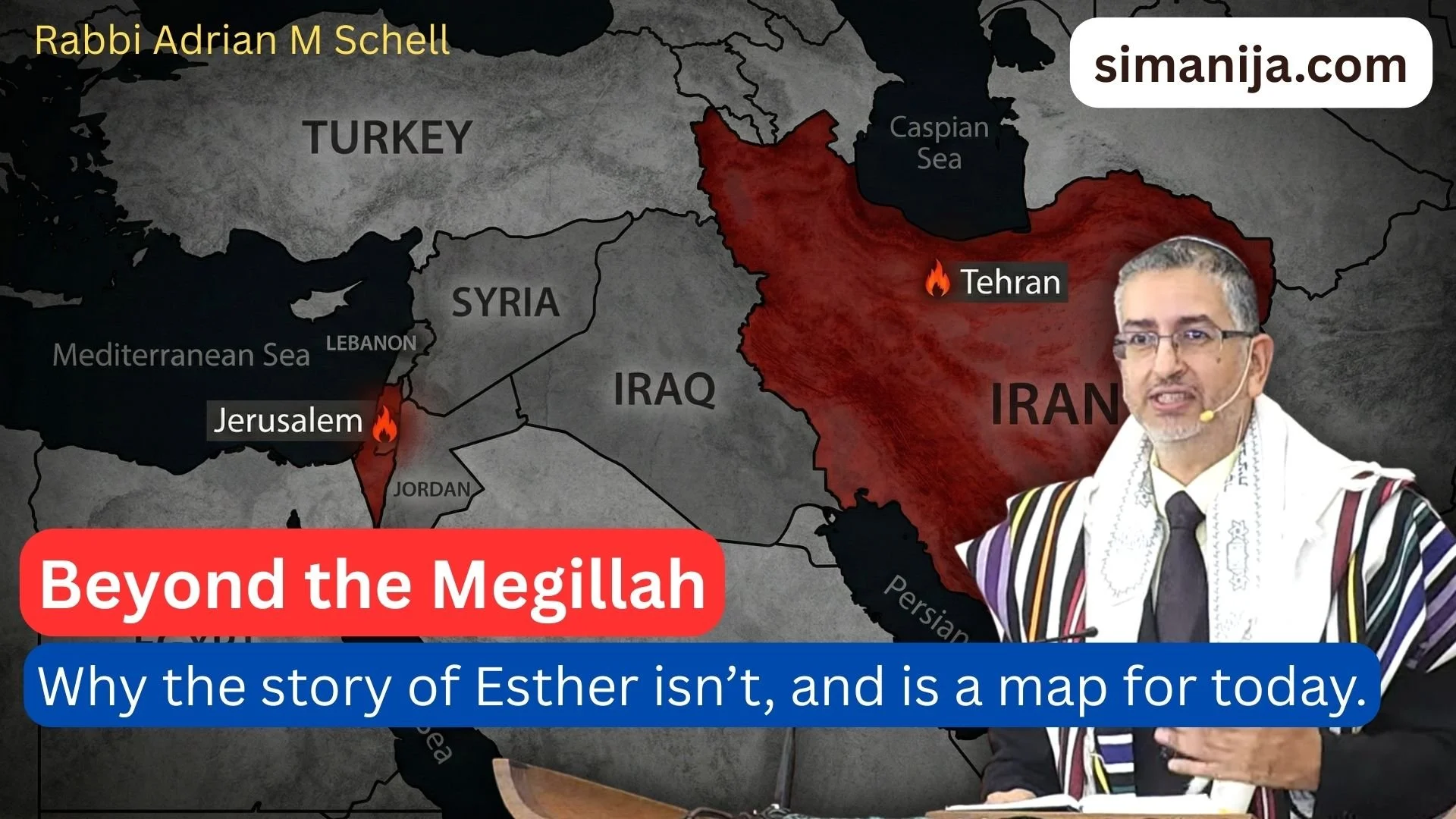
Beyond the Megillah
Purim usually brings laughter, but this year the news from the Middle East feels particularly heavy. As we watch regimes shift and sirens sound, how do we find the genuine courage to celebrate? I have been reflecting on the resilience of our friends in Israel and the humbling grace of the Baha'i community. Let us hold onto hope and one another as we navigate these uncertain days together.
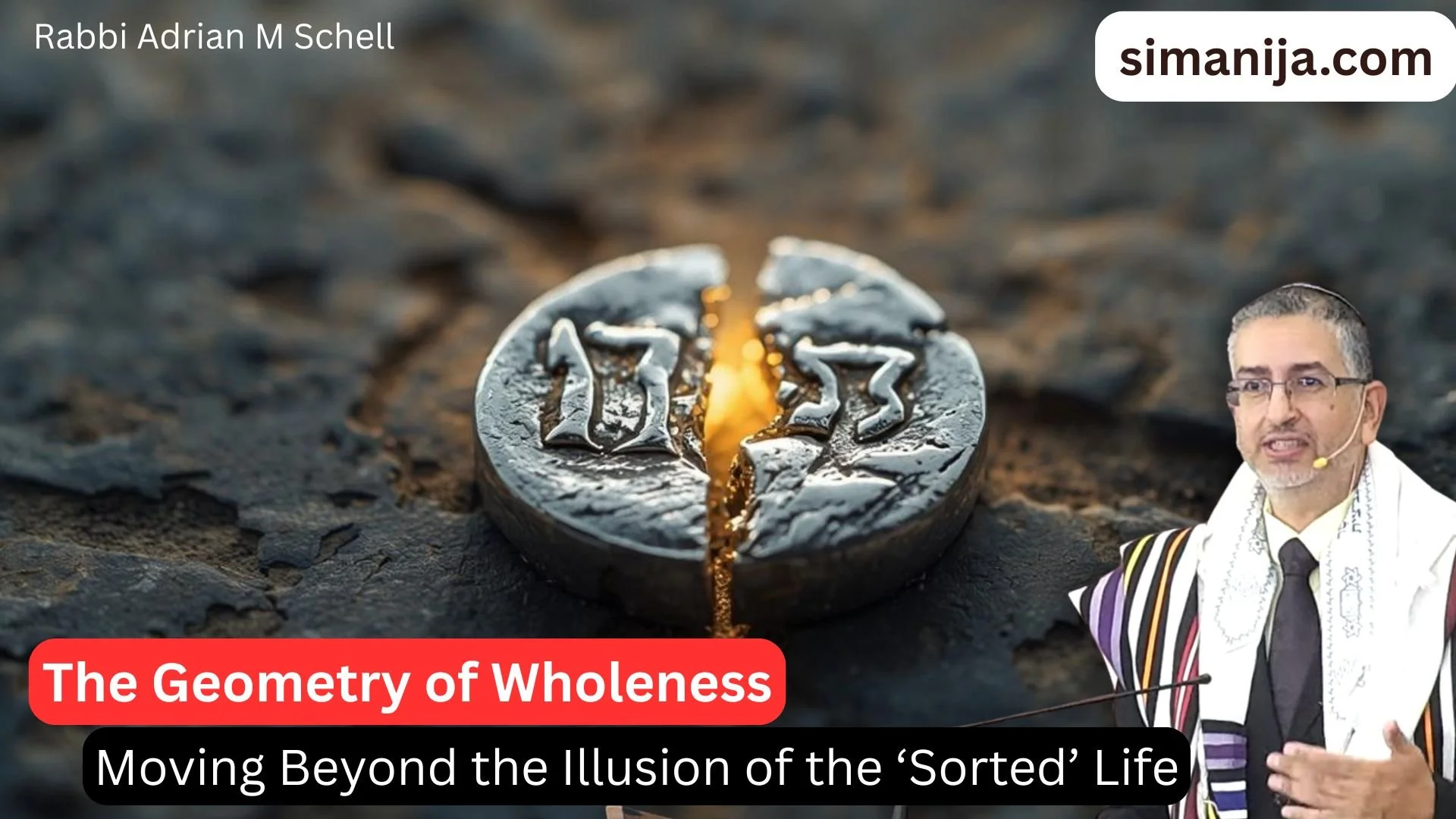
The Geometry of Wholeness
In a world that prizes the "finished" individual, the Torah offers a provocative alternative: the half-shekel. By requiring a contribution that is intentionally incomplete, the mitzvah suggests that we cannot arrive before the Divine entirely on our own. Rabbi Adrian explores how our modern obsession with self-reliance can lead to isolation, and why the "grammar of connection" found in our civil laws is the true key to a holy society. To be a community of half-shekels is to admit that our gifts are only complete when they are shared.
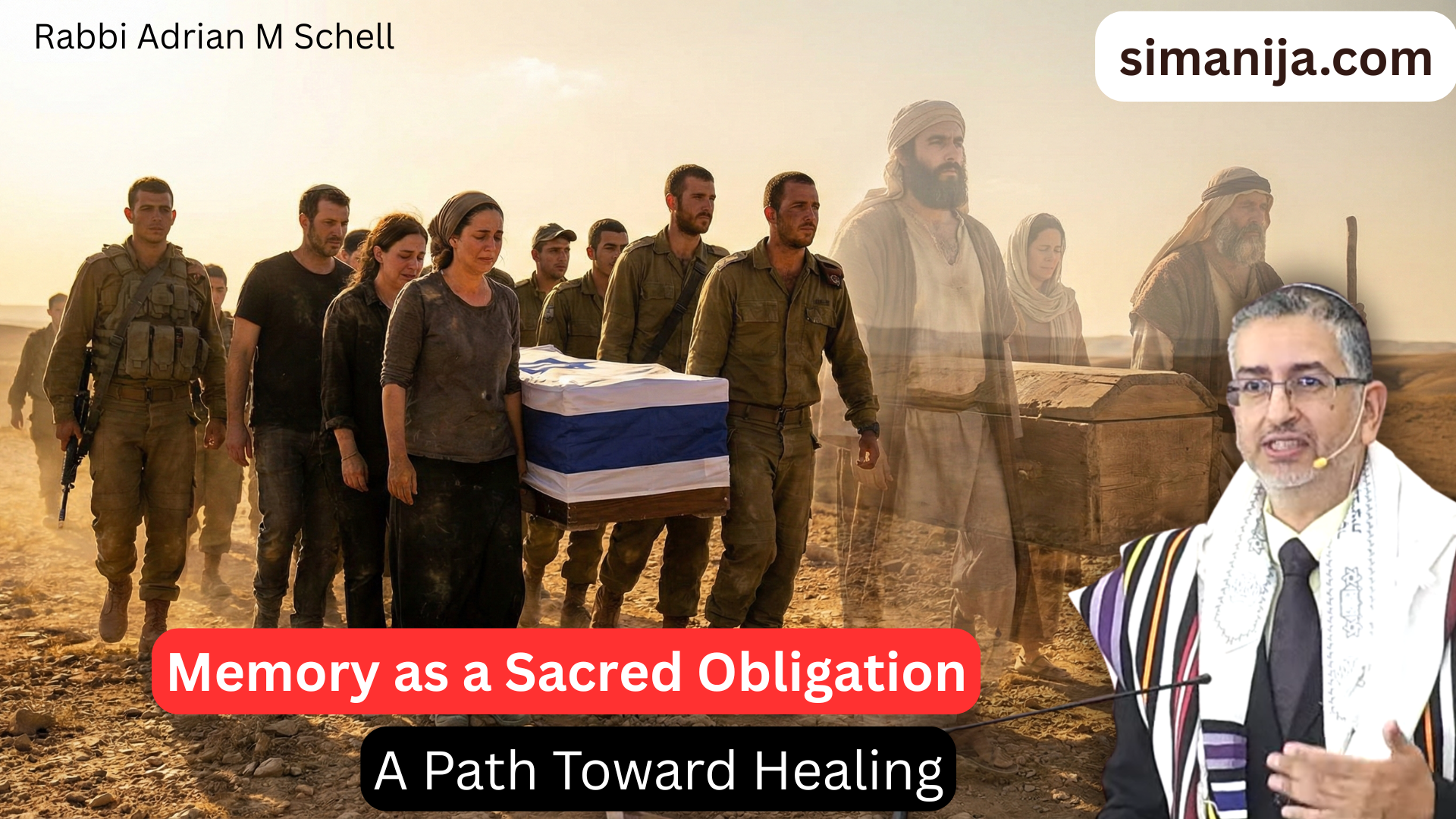
Memory as a Sacred Obligation
The silence left behind by the stopped hostage clock is not the joyous quiet of a struggle won, but the heavy stillness of a cycle closed. In Parashat Beshallach, we read that Moses took the bones of Joseph with him out of Egypt. Even in a life or death escape, the leader of our people stopped to ensure no one was left behind. We do not leave our dead in the narrow places. This Shabbat, we hold space for the silence, honouring the persistence of a people who insist on the dignity of every soul and the sanctity of every name.
The Weight of Witnessing: Why Your Heart Feels Heavy for Others
Looking at the 10 plagues at the beginning of the Exodus narrative, I think they not only strike Egypt but also pass through the Israelite houses as sound, fear, and memory. The Israelites may be spared some of the blows, but they still live with the cries in the night and the knowledge of what is happening next door. Their identity is shaped not only by their own suffering, but by what they have witnessed in others.
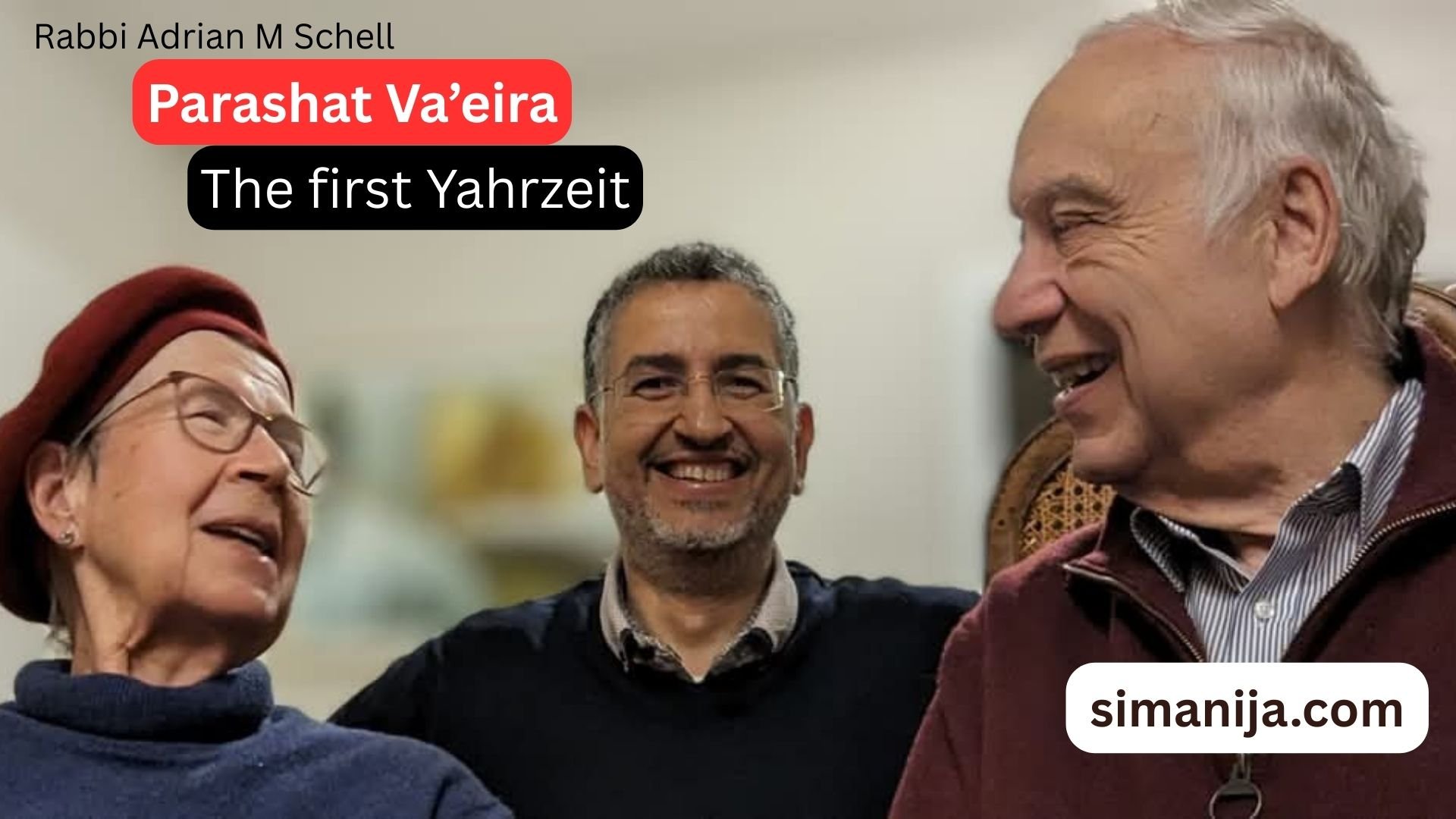
A Letter to Myself: Reflections on my father’s first Yahrzeit
In the twelve months since my father’s passing, our community has accompanied around twenty individuals on their final journeys. For a rabbi, walking with the bereaved is a constant, but this year the weight of it felt different. There was a strange, heavy resonance between my private study, where I sat with my own grief, and the living rooms where I sat with yours. My own loss acted as a sort of spiritual tuning fork. I was no longer just a narrator of tradition; I was a fellow traveller.
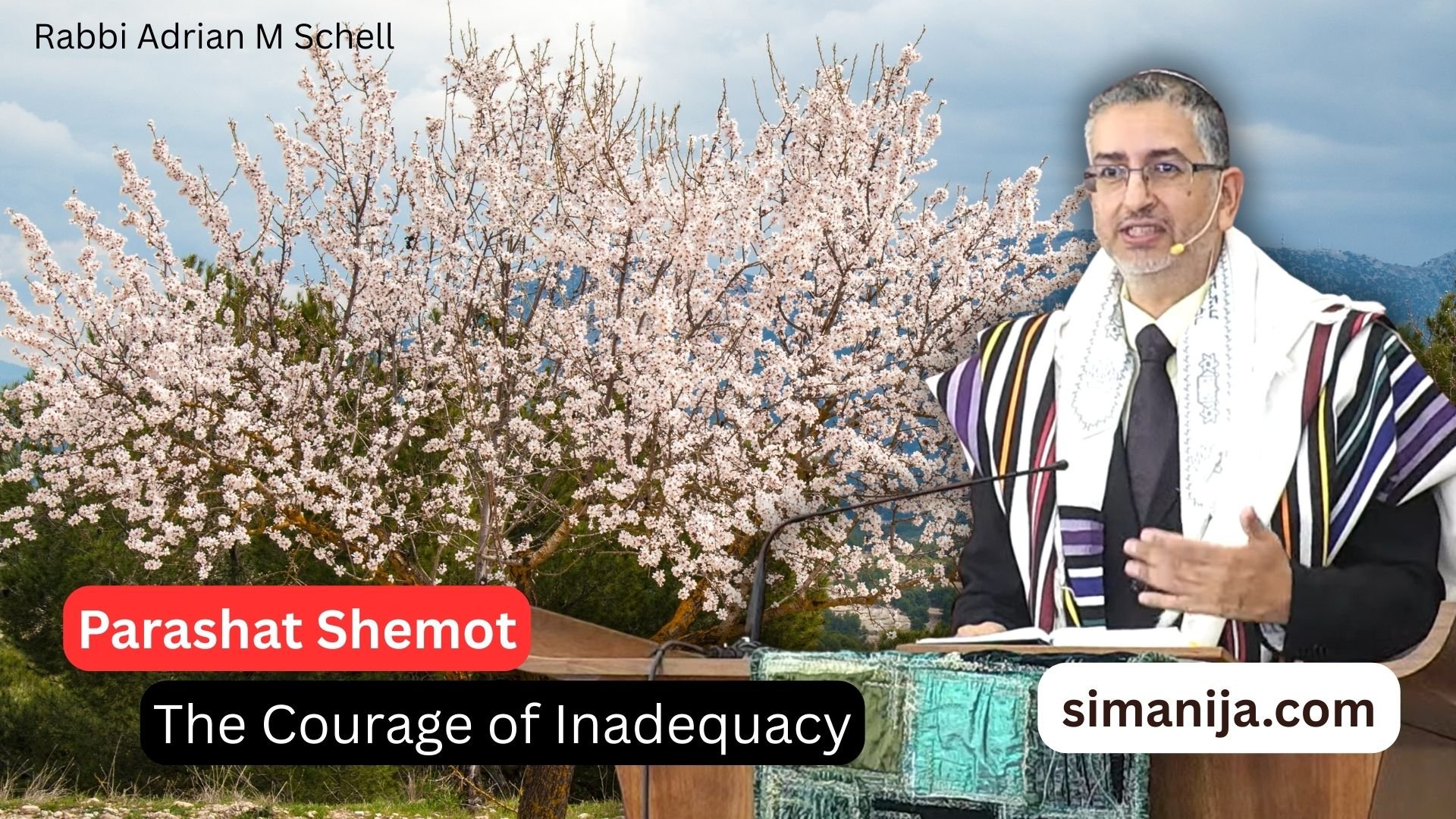
The Courage of Inadequacy
We often imagine the great biblical leaders as individuals of unshakeable confidence. We tend to picture the cinematic version of Moses, standing fearless before Pharaoh, or the booming voice of a prophet thundering against corruption. Yet, when we look closely at the texts appointed for this Shabbat, we find something far more human, fragile, and reassuring.
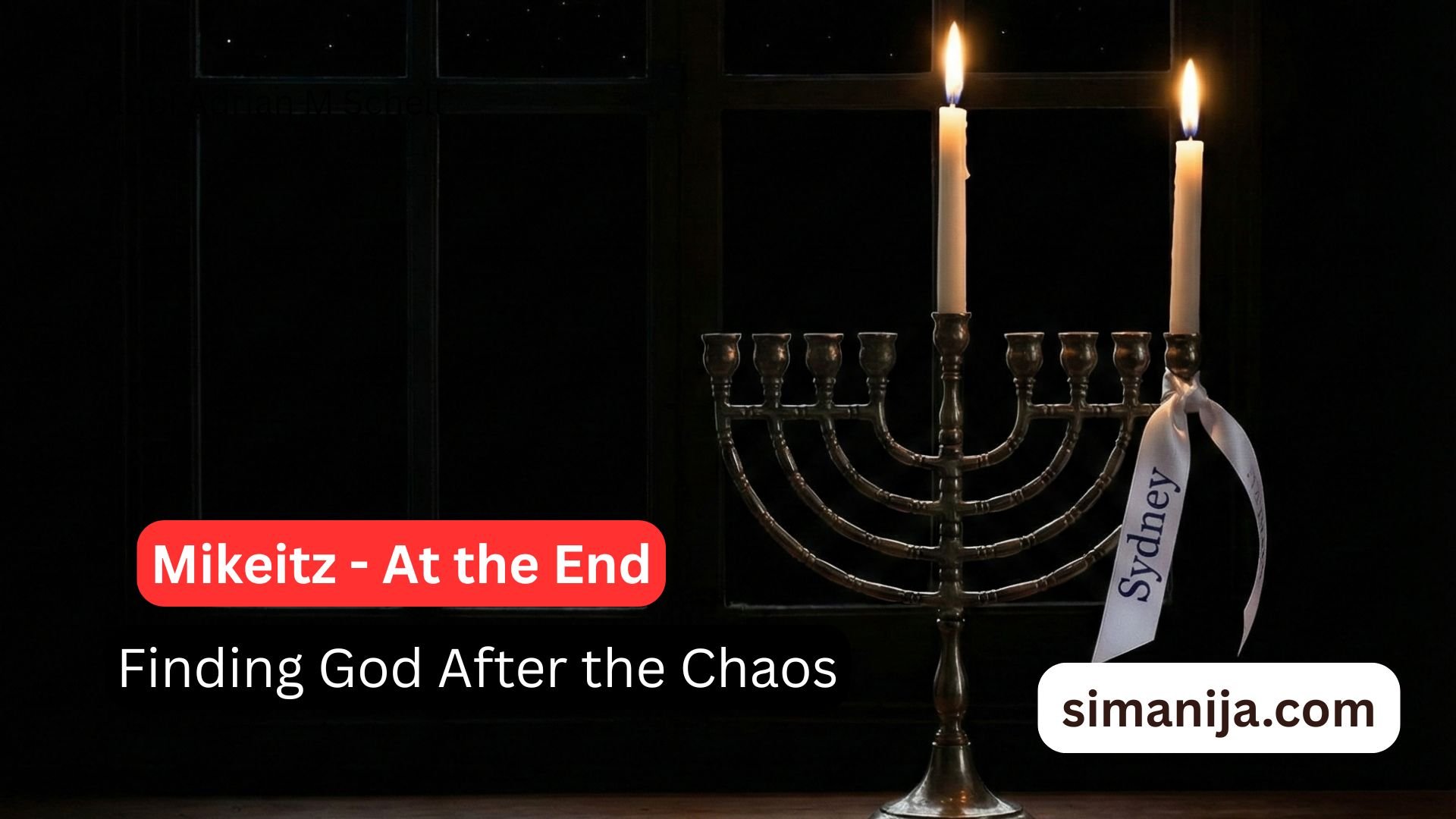
At the End: Finding God After the Chaos
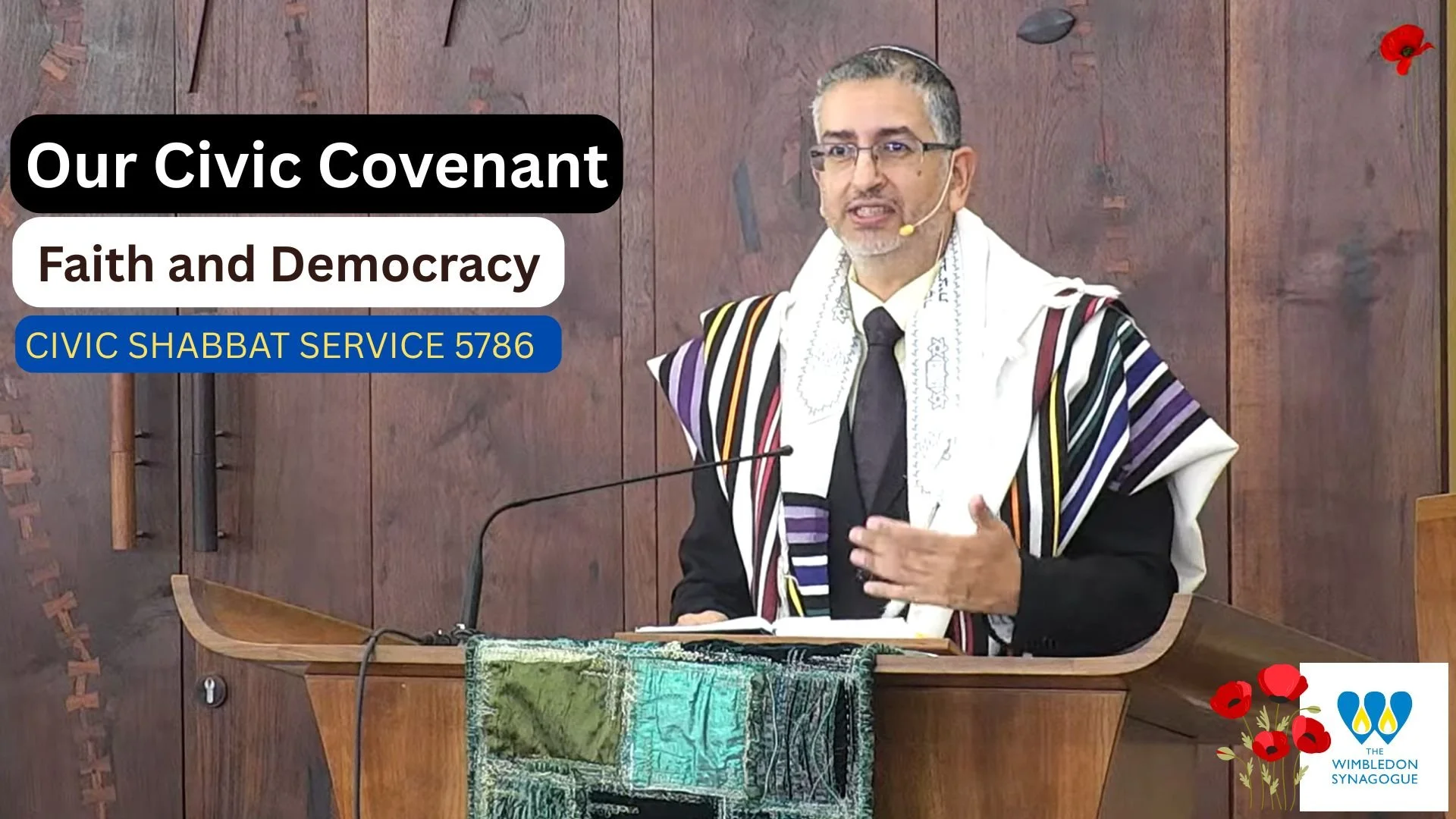
Our Civic Covenant: Faith and Democracy
In a time of deep societal division and rising anxiety, Rabbi Adrian Schell delivers a powerful address for Civic Shabbat, "A Covenant of Courage."Drawing on the ancient call to Abraham in Parashat Lech Lecha and the prophet Micah's vision of peace, Rabbi Schell explores the urgent challenge of our time: the breaking of our "civic covenant". He confronts the corrosive effects of populist language and the resurgence of antisemitism, arguing that these are not just political issues, but a profound moral crisis that threatens the soul of democracy itself.This sermon is a call to reject the politics of grievance and instead answer the timeless call to "go forth, not to conquer, but to kindle". It is a powerful reminder that in the face of fear, our greatest strength lies in our shared commitment to decency, justice, and one another.

The Lonely God and the Creation of Relationship
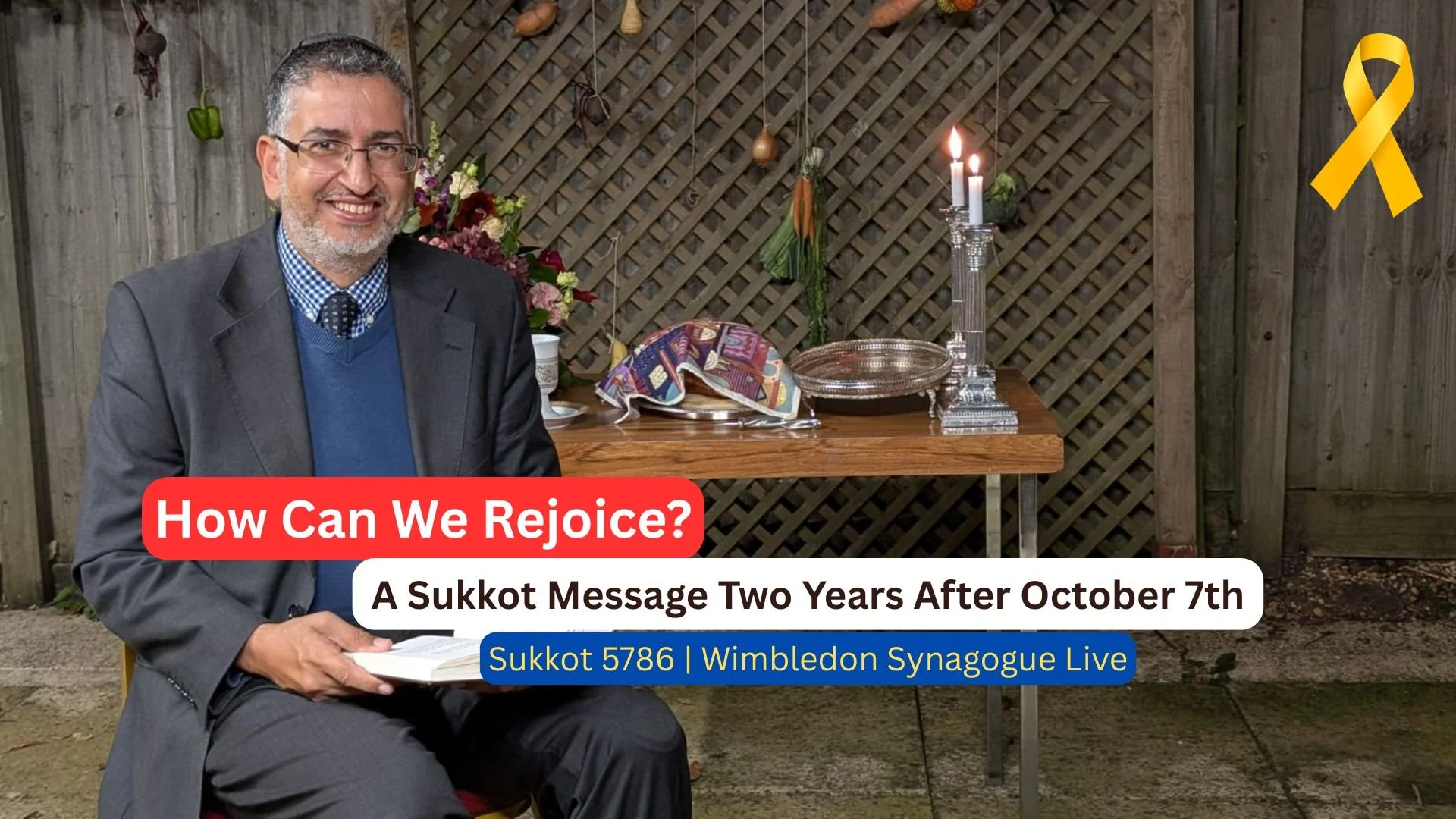
How Can We Rejoice? A Sukkot Message Two Years After October 7th
My sermon for Erev Sukkot addresses a direct and painful collision in the Jewish calendar: the beginning of 'z’man simchateinu', the season of our joy, falls on the exact second anniversary of the October 7th atrocities. It explores how the sukkah itself, with its flimsy walls and lesson in vulnerability, will not let us hide from this echo. This year, those walls are a stark reminder of the vulnerability imposed on so many. The sermon grapples with how we can possibly celebrate in the face of this memory, the ongoing hostage crisis, and the fresh grief from the recent antisemitic attack in Manchester. The message redefines Sukkot's joy not as a distraction, but as an act of defiance, resilience, and sacred memory—a way to honour those who no longer can, by choosing to build, gather, and sing because we remember.
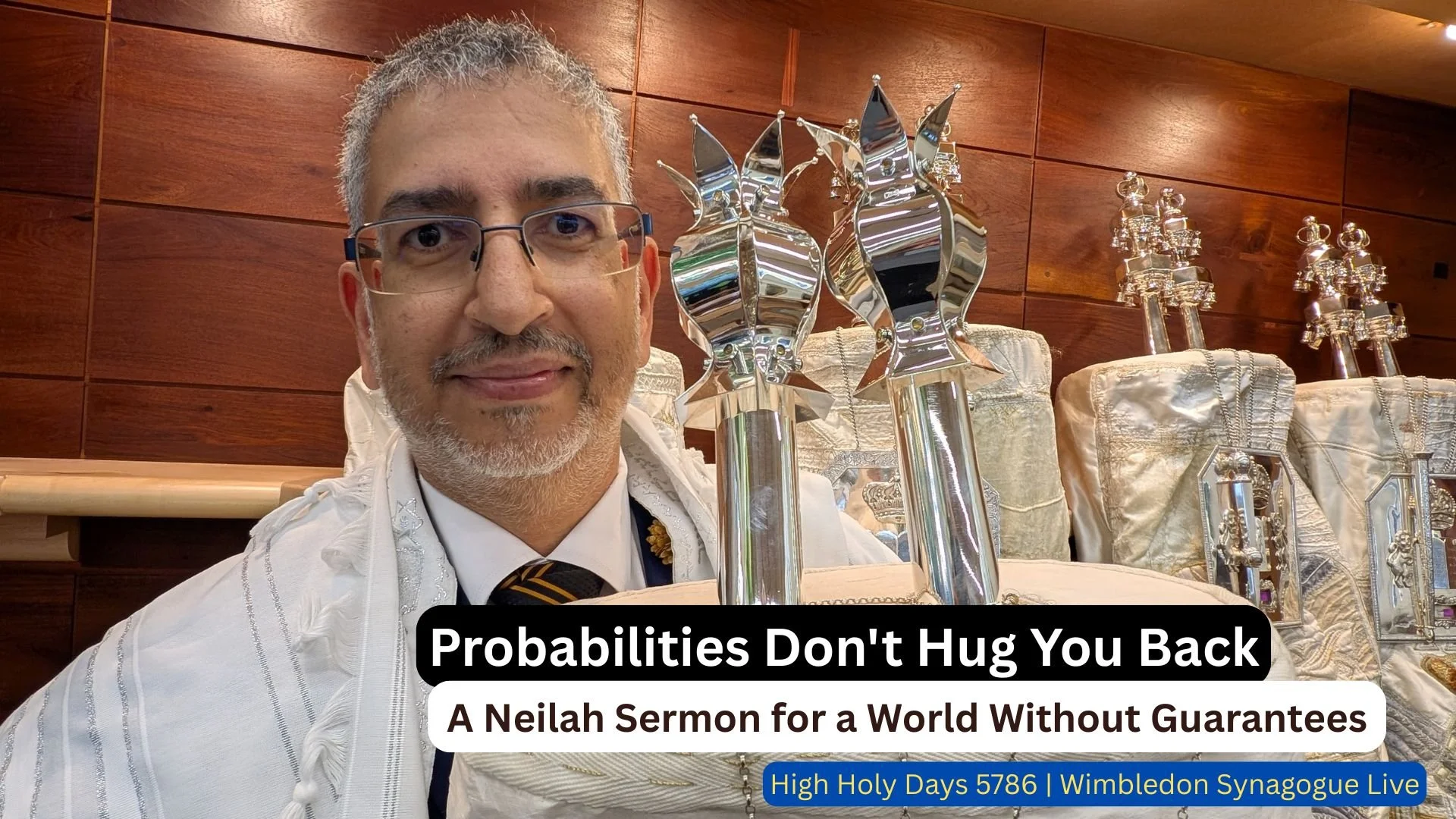
Probabilities Don't Hug You Back: A Neilah Sermon for a World Without Guarantees
This Neilah sermon begins with a story from the town of Chelm, where a drought has caused a crisis of faith, and the people demand proof that God is listening. Into this debate steps Jossele, who argues that while he can't be certain about God, he knows that a life of kindness, forgiveness, and charity is a good life in itself. This sets the stage for the final, honest hour of Yom Kippur, when we must choose how to live without guarantees. The sermon is a call to live with "doubt in the head, faithfulness in the hands" , holding our values high even when the future is unknown and letting our hearts lead us through the gates.