
That Verse in Deuteronomy: Reclaiming a Torah of Pride, Not Pain
A single verse in this week's Torah portion, Ki Tetzei, has been used for centuries to exclude and shame transgender and queer people. But is that what the Torah truly intends? In this Pride Shabbat sermon, Rabbi Adrian Schell explores our tradition as a vast, ancient house we inherit—a place of beautiful, light-filled rooms, but also difficult corners. By bravely entering one of these "cold rooms" and examining the notes left by our ancestors like Rashi and Maimonides, we discover that the verse's original purpose was not to shame identity, but to forbid deceit and prevent harm. This sermon reframes a weaponised text as a call for authenticity and challenges us to ensure our "house of tradition" is a warm, safe, and welcoming home for all, illuminated by the central truth that every person is created in the image of God.

700 DAYS

A travelling companion for Elul - Psalm 27
False Prophets and Hard Conversations
From Sun Loungers to Soul Searching

Hope That Starts in the Rubble

Parashat Balak: Spiritual audacity

Miriam's Silence, Our Voice
"Miriam died there and was buried there. The community had no water, and they assembled against Moses and Aaron." (Numbers 20:1-2)

Parashat Korach: When Cain Speaks Again
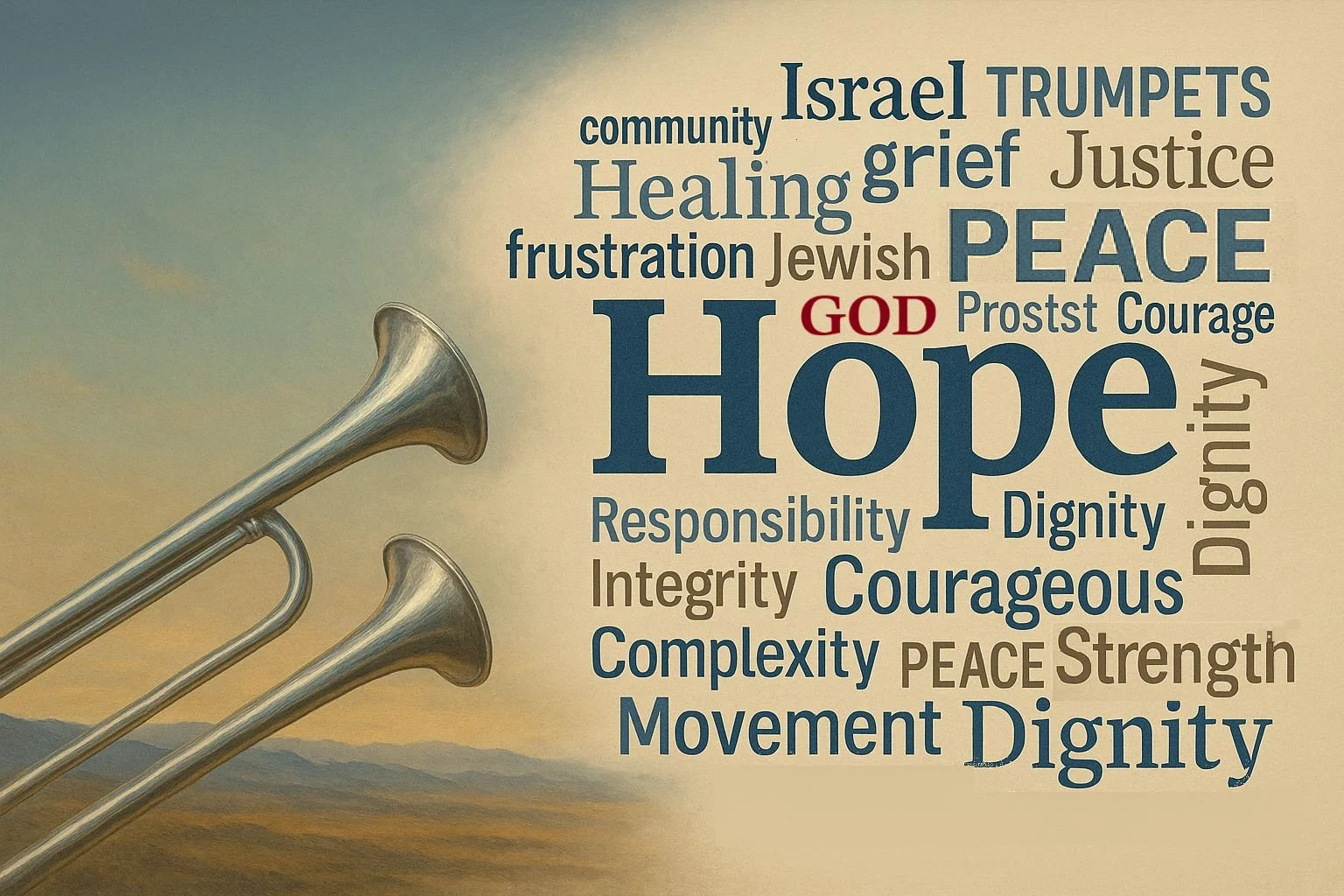
Marching With the Sound of Hope

“When the Dust Speaks: A Reflection for Pride Month”
The dust of the sanctuary says: You belong here too.
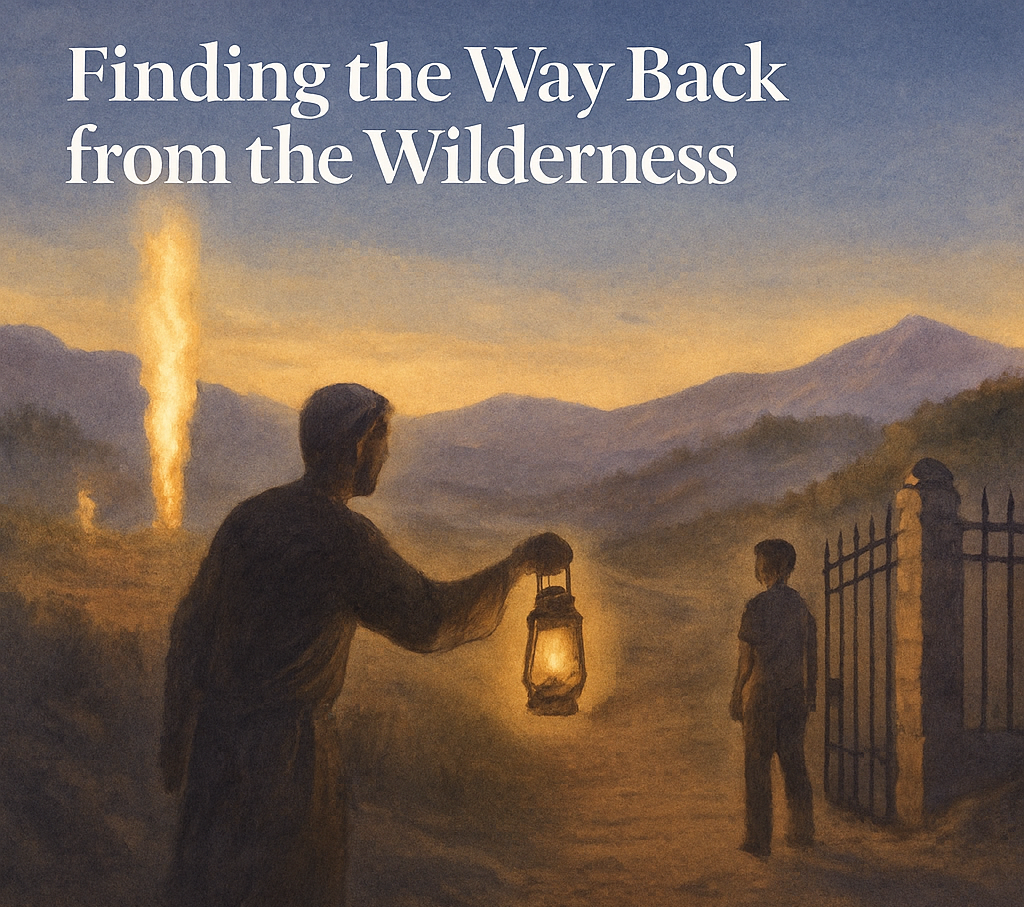
Finding the Way Back from the Wilderness
We know the wilderness well in our tradition. It's the place where Israel wandered, lost and disoriented. A place of testing and trial, but also of revelation. Sinai happened in the wilderness, not in the comfort of a promised land. Elijah found God not in the fire or the storm, but in the still small voice, alone, broken, and afraid in the desert.So, what does it mean for someone today to find themselves in such a wilderness?
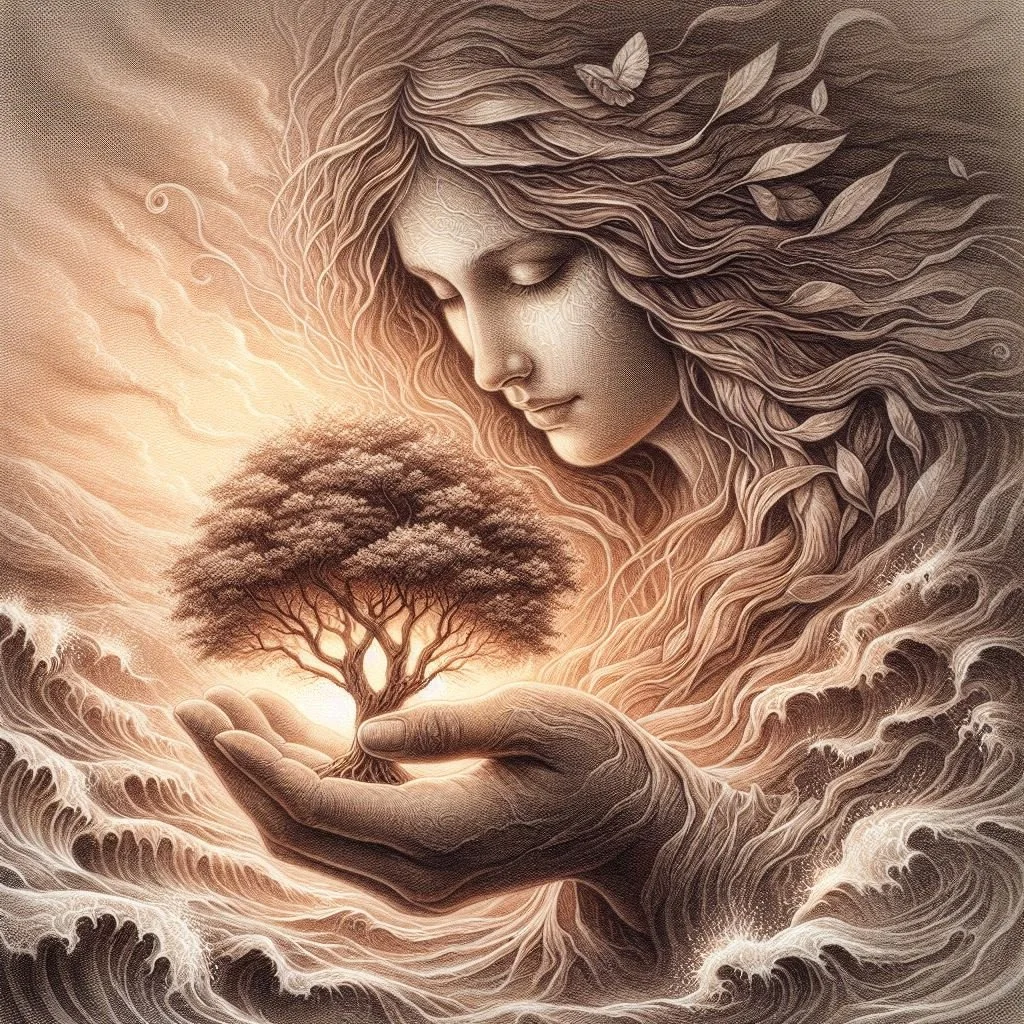
The Sabbath of the Land, the Sabbath of the Soul
The Sabbath and Shmita teach us that the land is not merely our resource, but our partner in God's covenant—a caregiver that Resh Lakish likens to a devoted handmaiden raising the king's children. When we honour the earth's need for rest, we rediscover our own worth beyond productivity, learning to breathe not as owners, but as kin in a world yearning to be whole.

What Makes Us Whole?
In Parashat Emor, we find one of the Torah’s more difficult passages — a section that limits which kohanim, which priests, can serve at the altar. A priest with a visible difference — blind, lame, injured, or with a disfigurement — is instructed not to offer the sacred sacrifices.To modern ears, this can feel jarring. It brushes up against our values of equality, inclusion, and dignity. But maybe we can approach this not as a closed door but as a doorway into deeper conversation.
Holiness in the Shadow of History: Lessons from Acharei Mot–Kedoshim and VE Day
On the 80th anniversary of VE Day, this sermon reflects on the powerful intersection of Parashat Acharei Mot–Kedoshim with a moment of both liberation and loss in Jewish and world history.---
The Fire that Sustains, the Fire that Consumes

Planting Hope in Fragile Soil
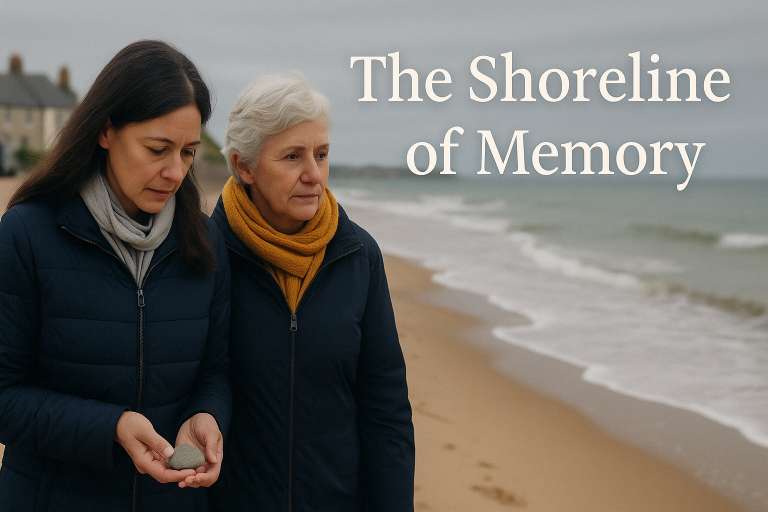
The Shoreline of Memory

The Afikoman We Carry | Pesach Sermon by Rabbi Adrian M. Schell
Omer Counting 2025
The Omer marks our journey from freedom to purpose — day by day, step by step. Download your free counting sheet now from my website and join the tradition of sacred time.