Hearing Requires Room for Every Story
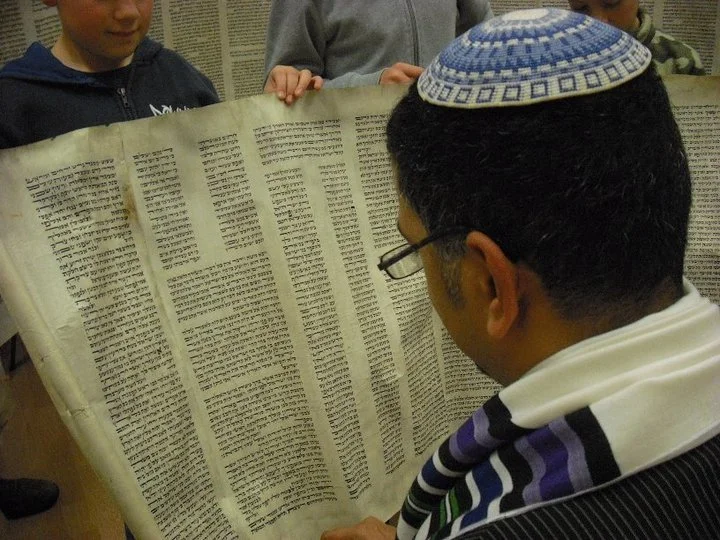
Hearing is never a passive bureaucratic gesture. Twice a day, Jewish liturgy commands us to engage in a profound act of spiritual attention: "Hear, O Israel." We know the Shema not as a polite request, but as the central spiritual imperative of our tradition. To hear is to bear witness to the Eternal, to internalise truth, and to translate that truth into ethical action. In the theological grammar shared by Jews and Christians alike, hearing has never been neutral.
We Will Not Hide
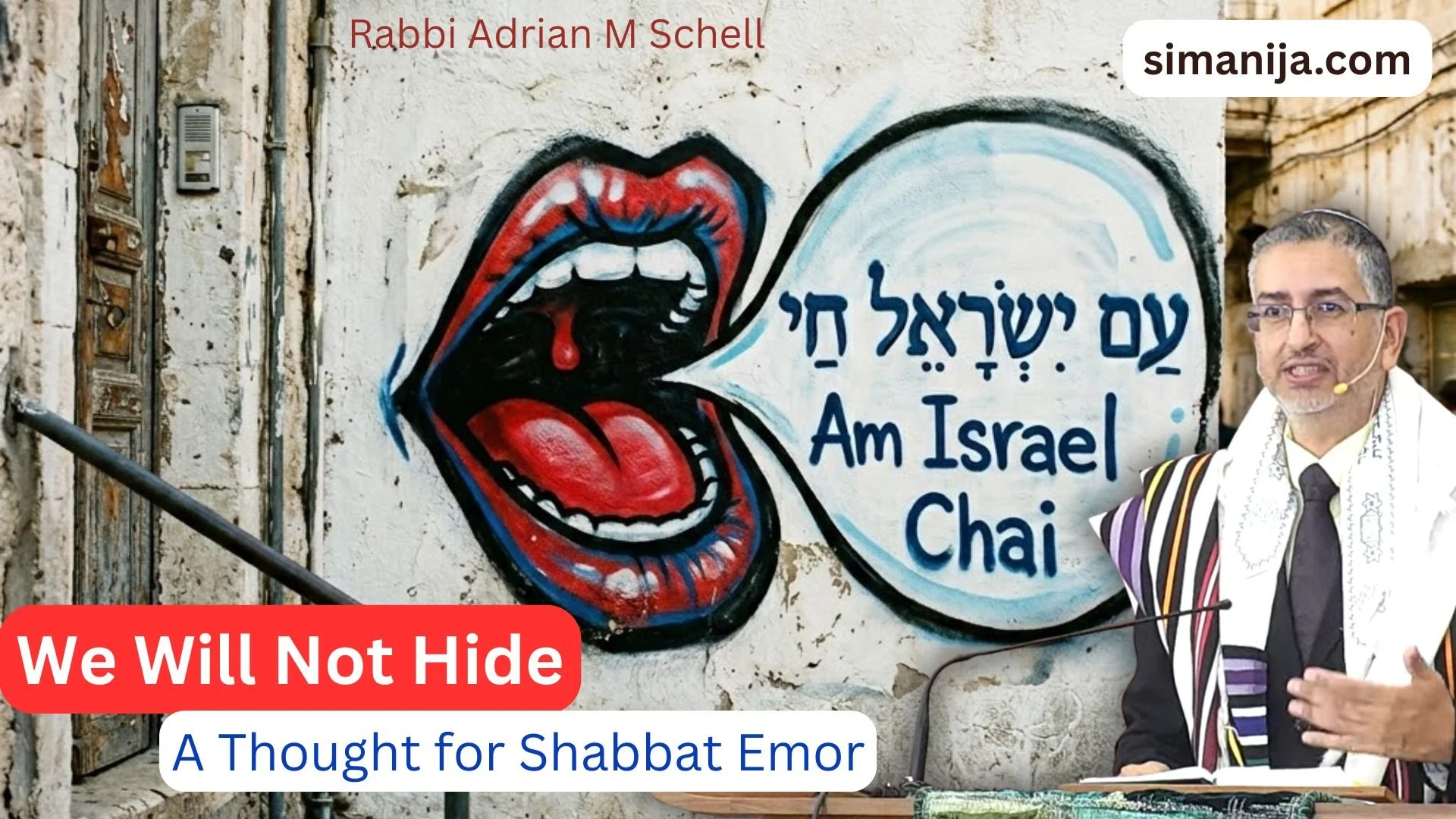
Again! I found myself staring at the news alerts yesterday, feeling that familiar, heavy tightening in my chest. Another attack. This time, a knife on the streets of Golders Green. The shock is instinctive, but if I am brutally honest with myself, the surprise is fading. And that fading surprise is perhaps the most terrifying part of all.
In the wake of such violence, the immediate instinct is to build higher fences. As several of my rabbinic colleagues and the Board of Deputies rightly highlighted today, securing our buildings is vital for our immediate physical safety. Yet, we must recognise a painful truth. If our only response to antisemitism is to retreat behind fortified walls, we are slowly yielding to our own erasure from public life.
Beyond Silhouettes: Choosing People Over Labels
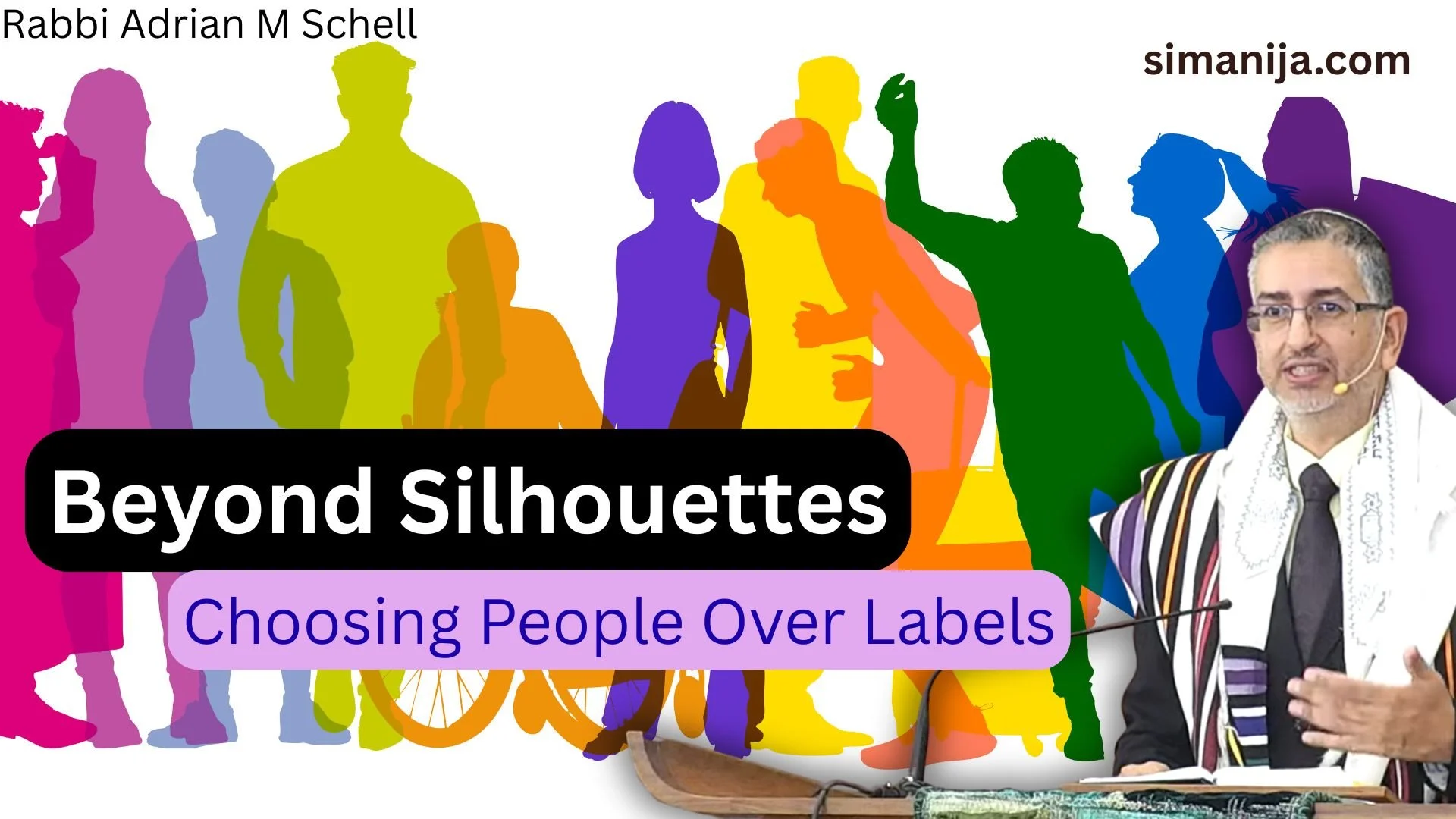
There is a particular comfort in "we and them" because it tidies a complicated world. The holiness of a community is found in its ability to recognise the individual within the mass. This requires a refusal to see a "refugee" or "man" as a monolith, insisting instead on seeing the Tzelem Elohim [Divine reflection] in every face. Kedoshim tihyu [you shall be holy] is written in the future tense, reminding us that holiness is a direction we must keep moving toward. We do this by choosing to see the humanity of everyone, especially those who make us uncomfortable.
From Yom HaZikaron to Yom Ha’Atzma’ut
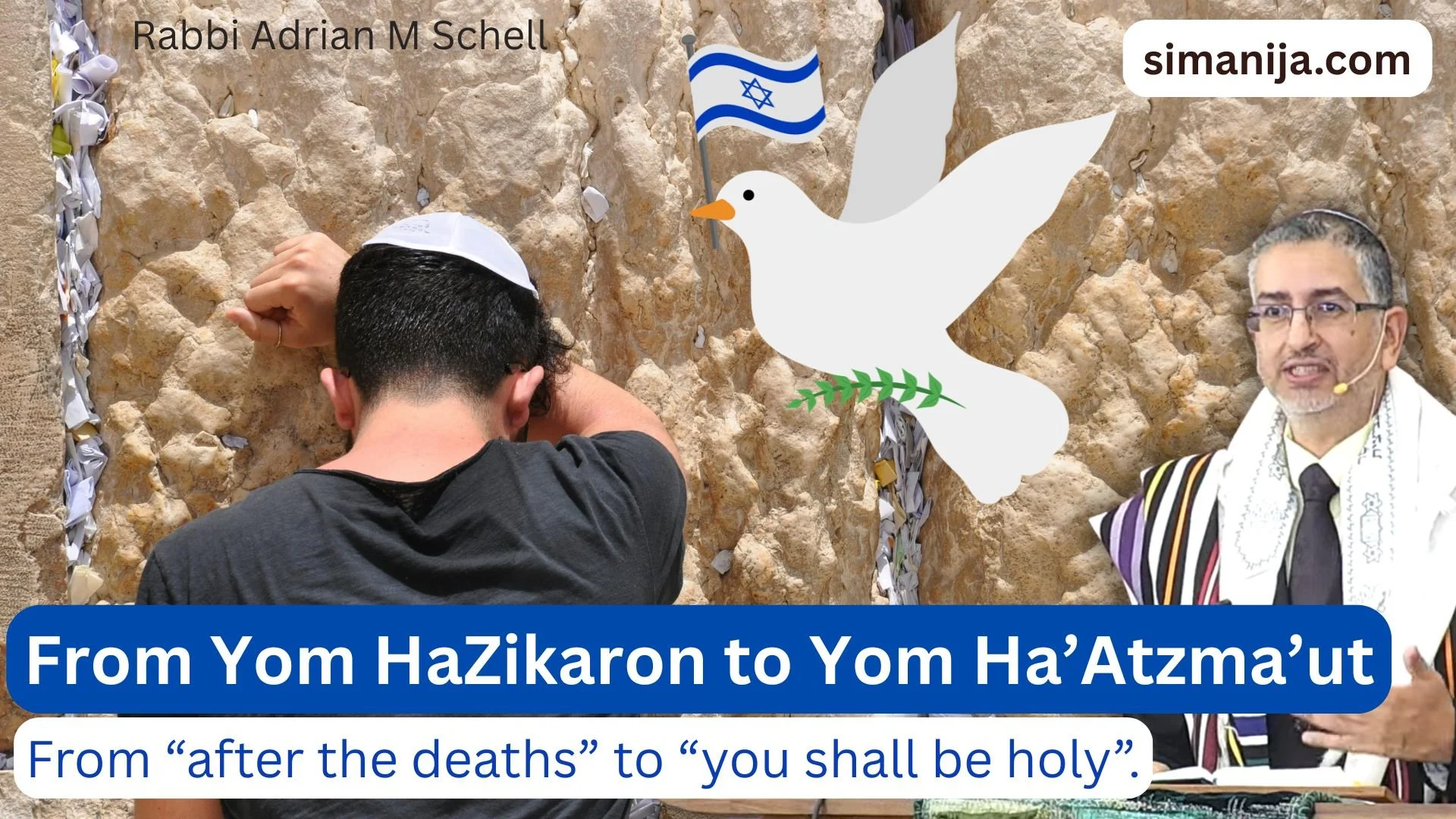
This week, as we mark Israel's 78th year of independence, the movement from grief to sovereignty feels more demanding than ever. The pain across the region remains acute, the political reality deeply fractured. What does it mean for us, sitting here in London, to mark this anniversary today?
It means that our response to loss cannot simply be despair. Our response must be a recommitment to the work of Kedoshim. We honour those who have fallen not merely by standing for a siren, but by insisting on a society—both there and here—built on justice, truth, and compassion.
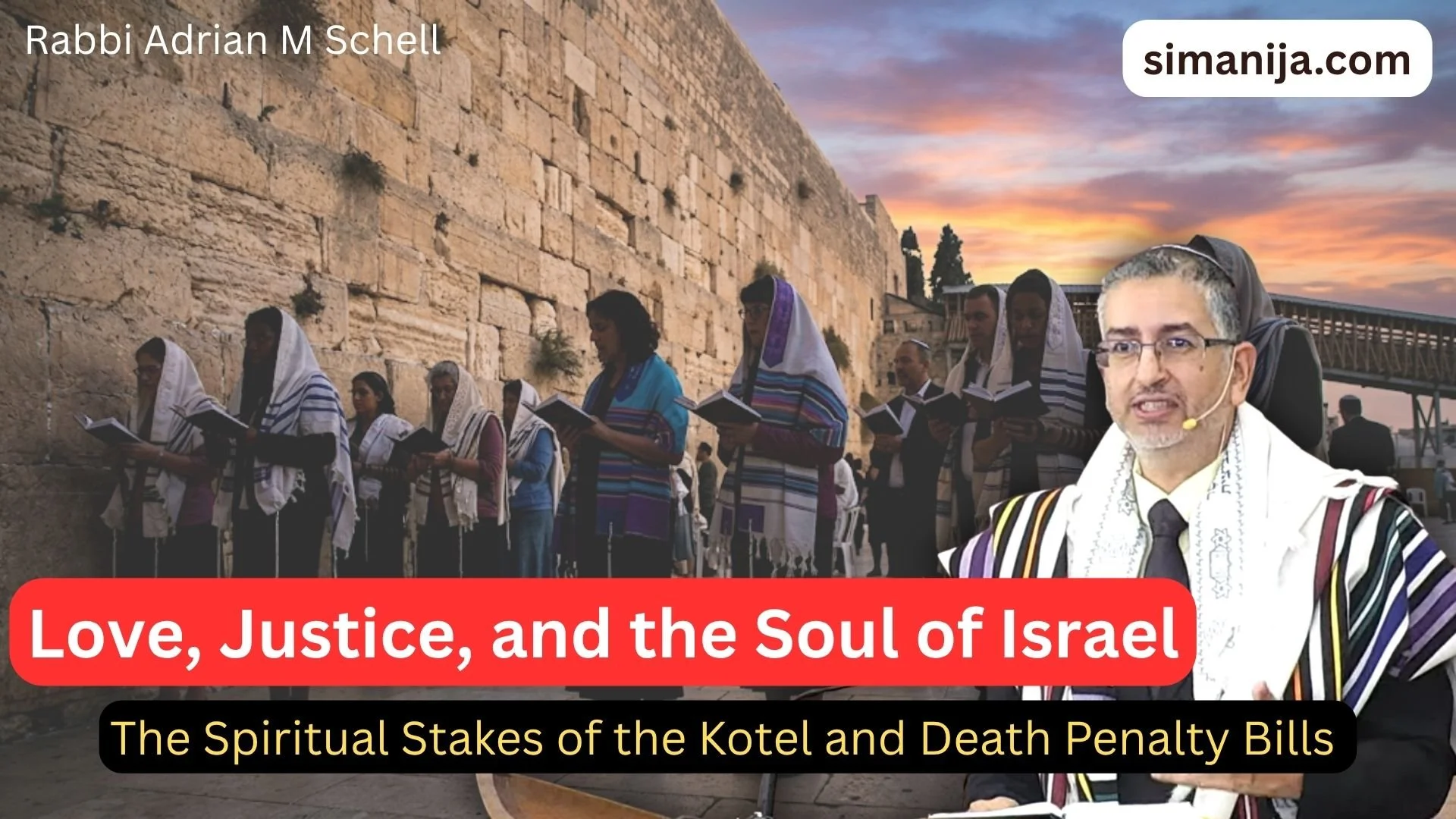
Love, Justice, and the Soul of Israel
Rabbi Adrian Schell examines the moral test of the soul of Israel in this Pesach [Passover] sermon. Drawing on Deuteronomy and Song of Songs, he addresses the Kotel [Western Wall] bill and the Death Penalty Bill, arguing that liberation requires protecting the dignity of the stranger and the Soul of the Jewish State. True love for Israel means speaking out when justice and inclusion are at stake.
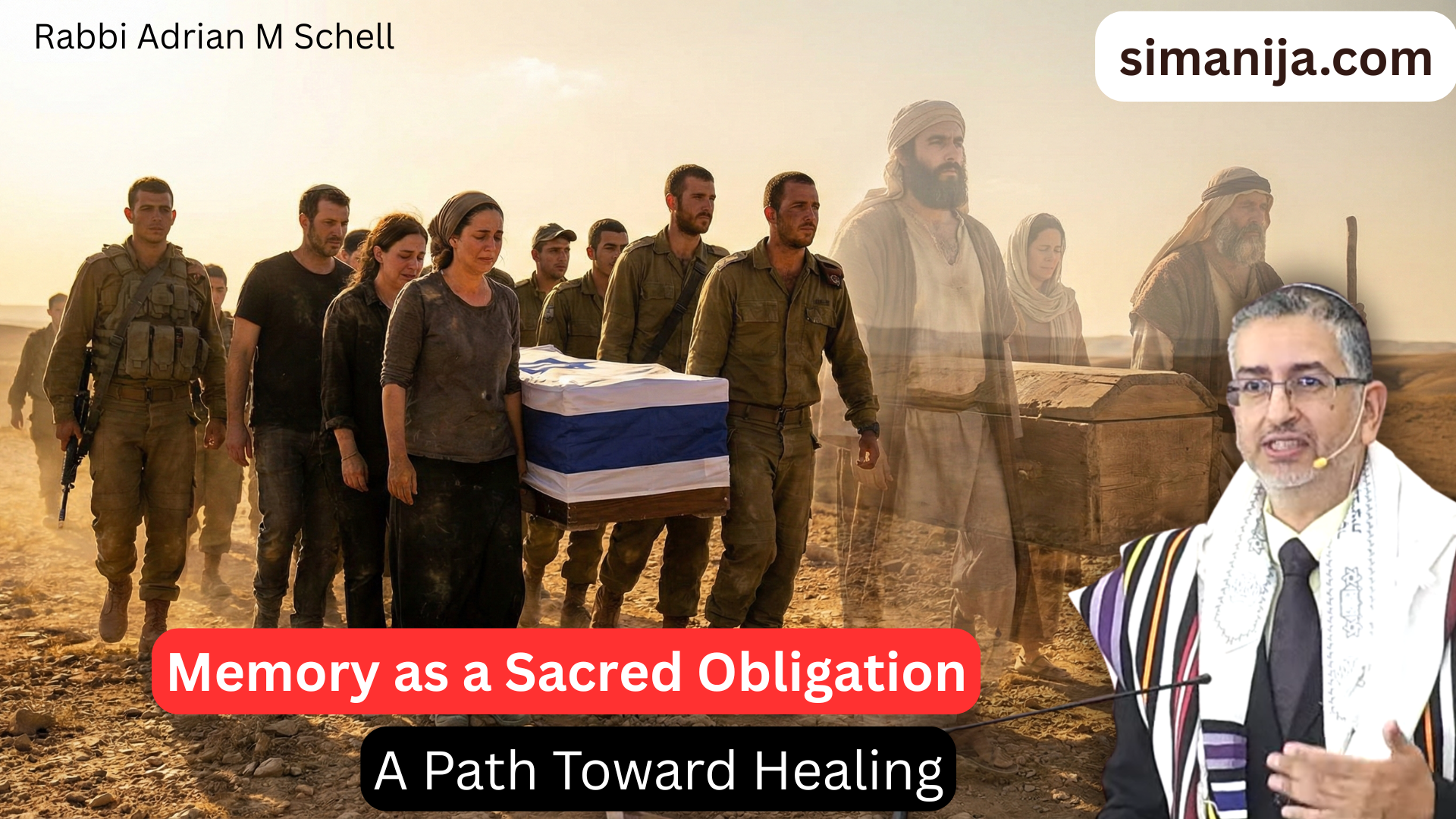
Memory as a Sacred Obligation
The silence left behind by the stopped hostage clock is not the joyous quiet of a struggle won, but the heavy stillness of a cycle closed. In Parashat Beshallach, we read that Moses took the bones of Joseph with him out of Egypt. Even in a life or death escape, the leader of our people stopped to ensure no one was left behind. We do not leave our dead in the narrow places. This Shabbat, we hold space for the silence, honouring the persistence of a people who insist on the dignity of every soul and the sanctity of every name.
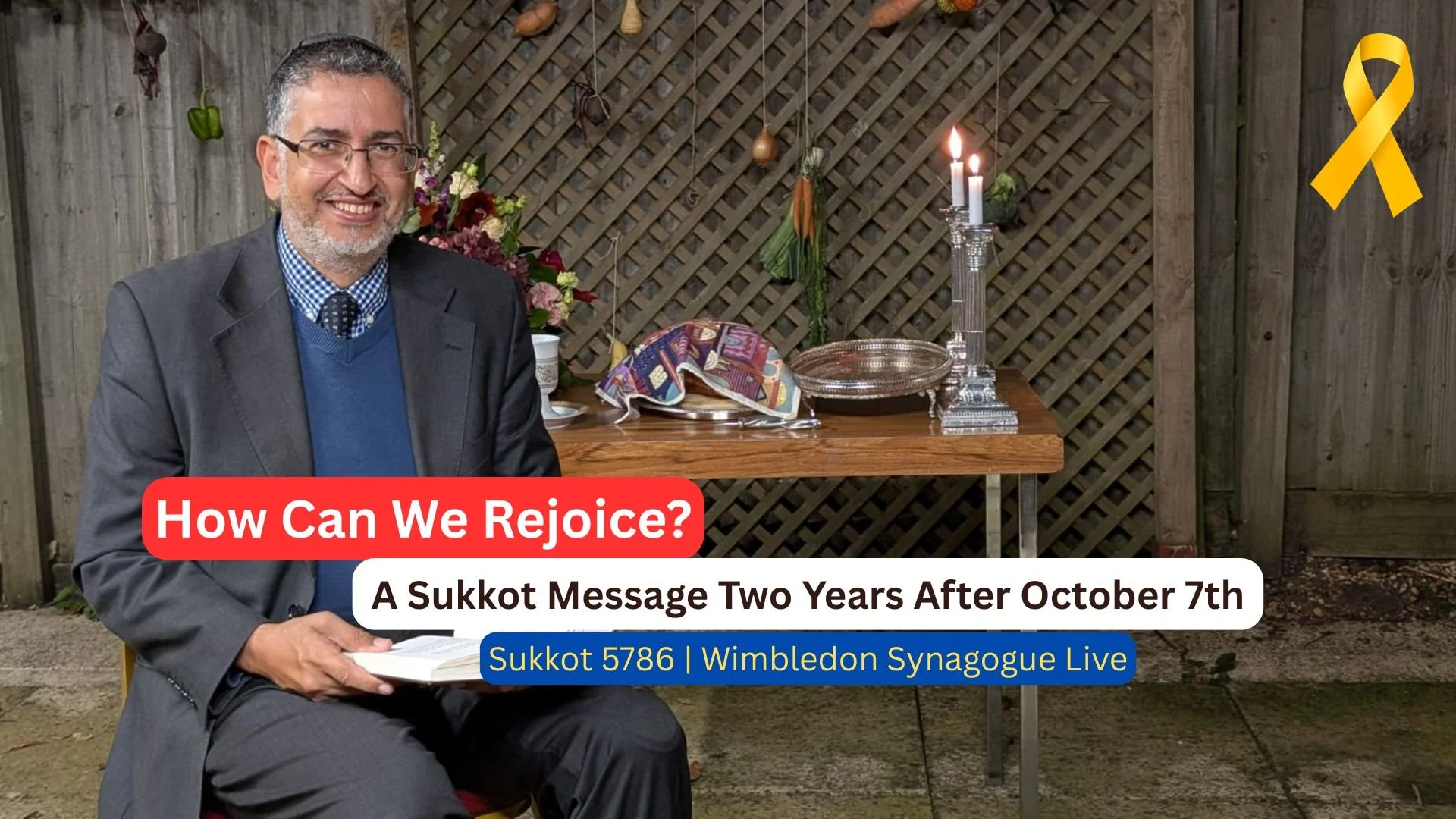
How Can We Rejoice? A Sukkot Message Two Years After October 7th
My sermon for Erev Sukkot addresses a direct and painful collision in the Jewish calendar: the beginning of 'z’man simchateinu', the season of our joy, falls on the exact second anniversary of the October 7th atrocities. It explores how the sukkah itself, with its flimsy walls and lesson in vulnerability, will not let us hide from this echo. This year, those walls are a stark reminder of the vulnerability imposed on so many. The sermon grapples with how we can possibly celebrate in the face of this memory, the ongoing hostage crisis, and the fresh grief from the recent antisemitic attack in Manchester. The message redefines Sukkot's joy not as a distraction, but as an act of defiance, resilience, and sacred memory—a way to honour those who no longer can, by choosing to build, gather, and sing because we remember.

700 DAYS
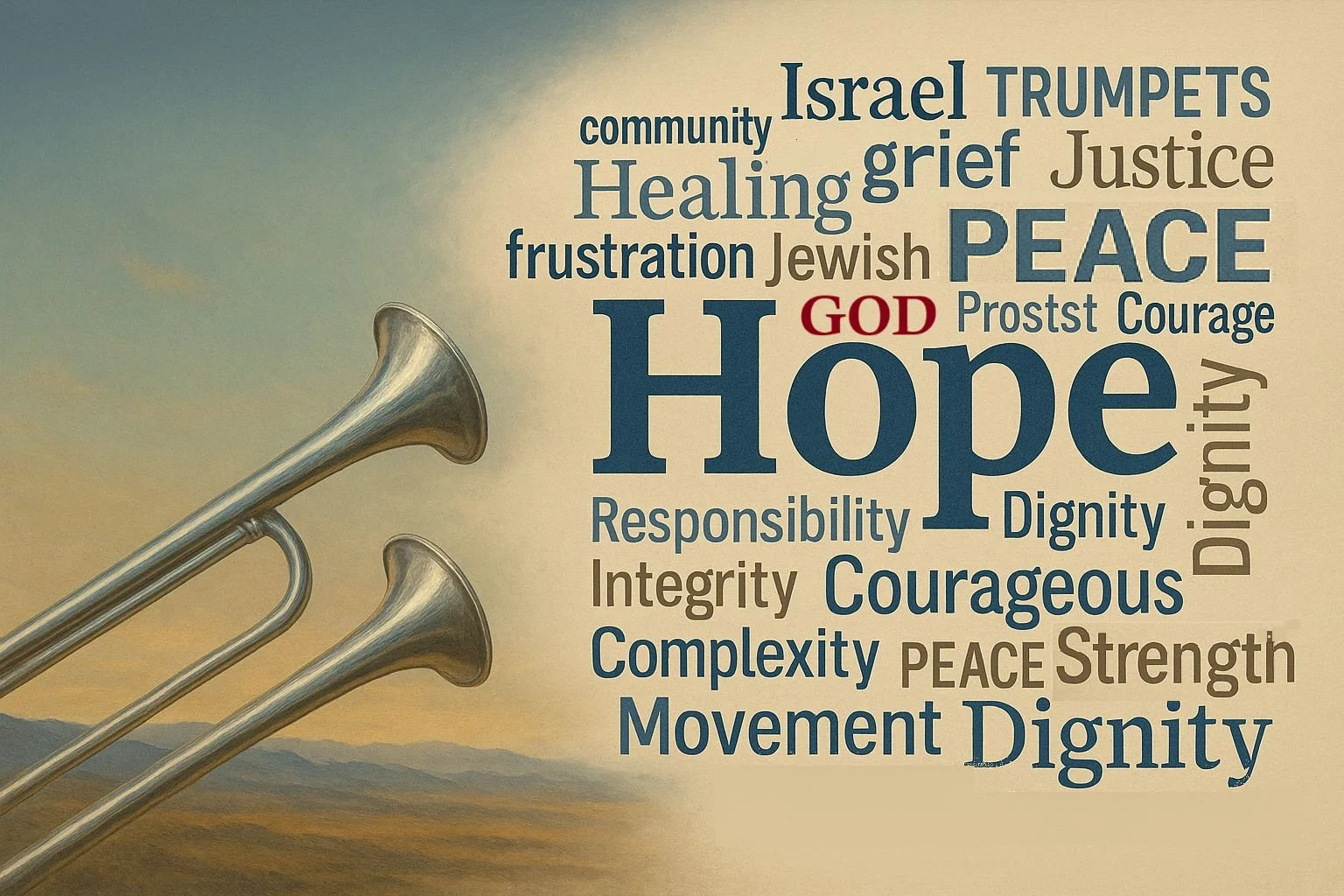
Marching With the Sound of Hope
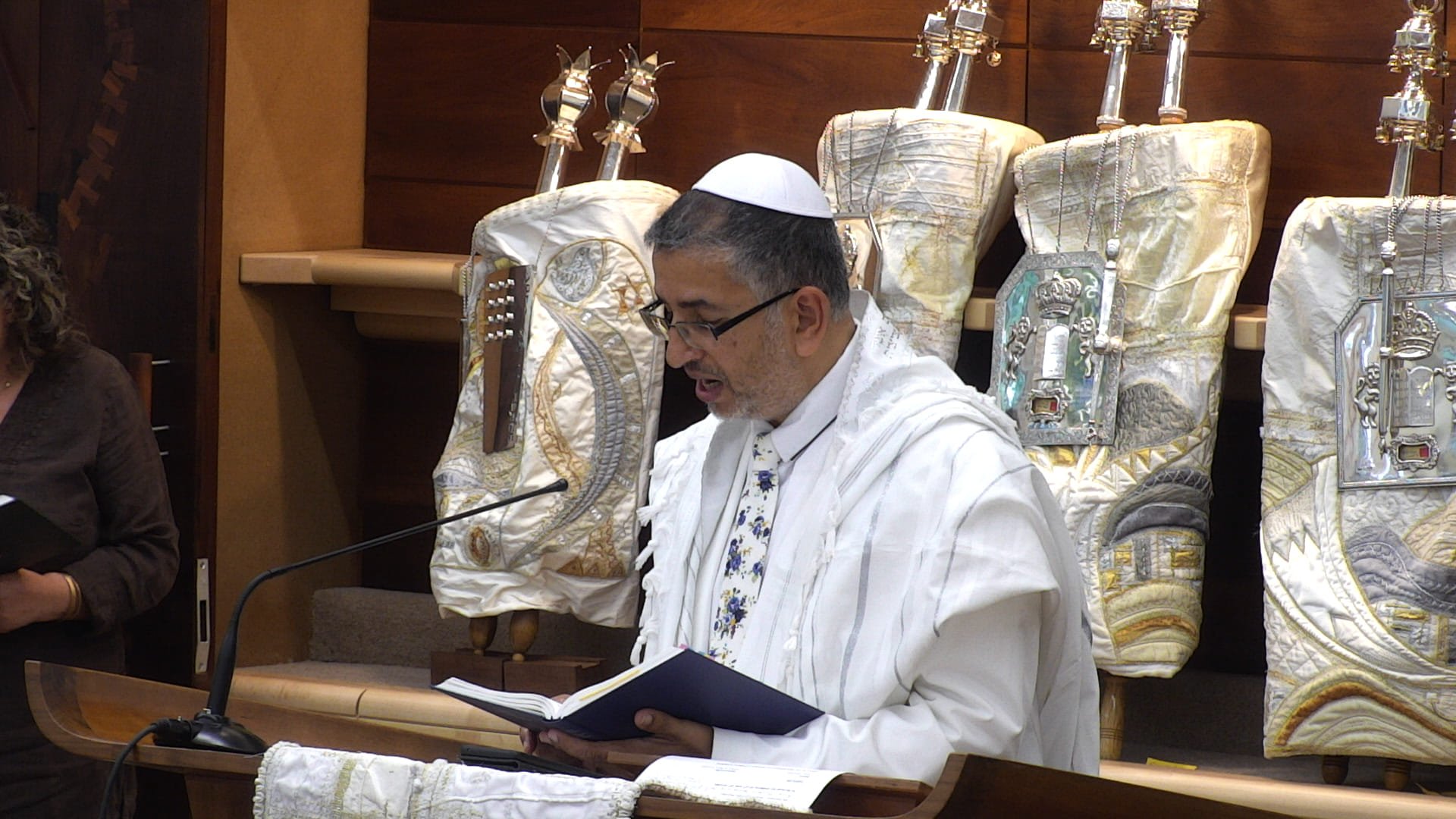
Isaac and Ishmael – Their Untold Story | Rosh Hashanah Sermon by Rabbi Adrian M. Schell
Ki Teitzei: Given the current battle at Israel's borders, how can we understand "blot out Amalek"?