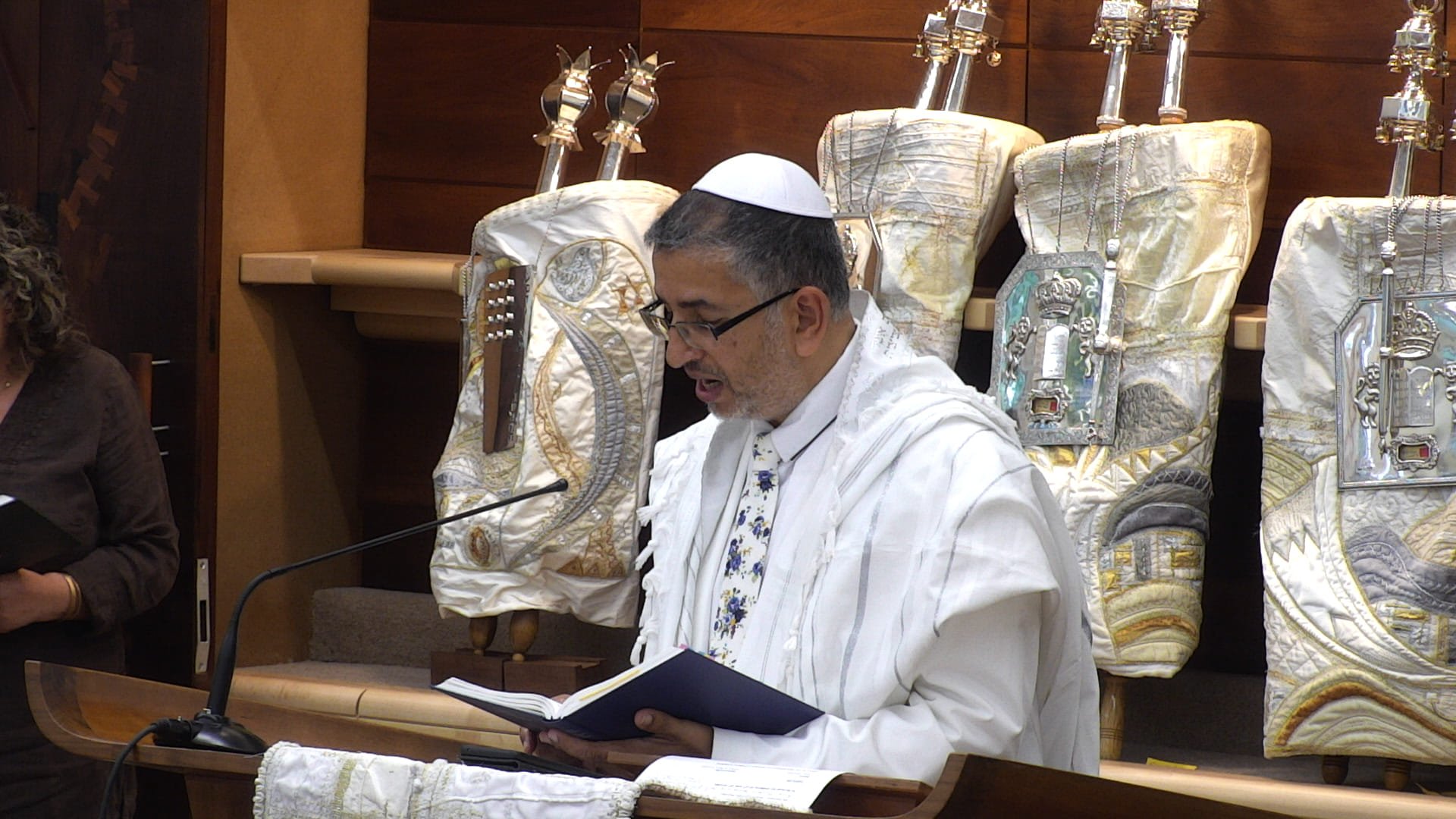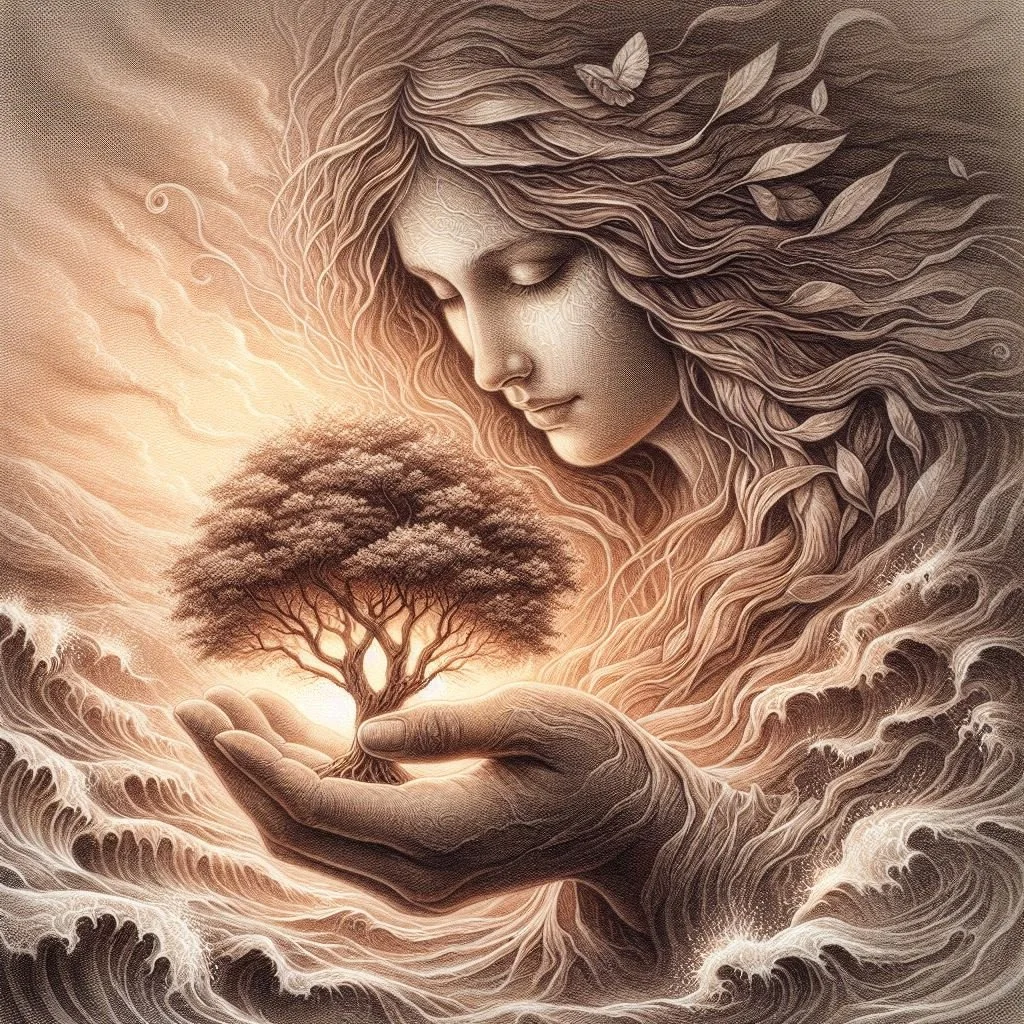
The Sabbath of the Land, the Sabbath of the Soul
The Sabbath and Shmita teach us that the land is not merely our resource, but our partner in God's covenant—a caregiver that Resh Lakish likens to a devoted handmaiden raising the king's children. When we honour the earth's need for rest, we rediscover our own worth beyond productivity, learning to breathe not as owners, but as kin in a world yearning to be whole.

What Makes Us Whole?
In Parashat Emor, we find one of the Torah’s more difficult passages — a section that limits which kohanim, which priests, can serve at the altar. A priest with a visible difference — blind, lame, injured, or with a disfigurement — is instructed not to offer the sacred sacrifices.To modern ears, this can feel jarring. It brushes up against our values of equality, inclusion, and dignity. But maybe we can approach this not as a closed door but as a doorway into deeper conversation.
Holiness in the Shadow of History: Lessons from Acharei Mot–Kedoshim and VE Day
On the 80th anniversary of VE Day, this sermon reflects on the powerful intersection of Parashat Acharei Mot–Kedoshim with a moment of both liberation and loss in Jewish and world history.---
The Fire that Sustains, the Fire that Consumes

Planting Hope in Fragile Soil
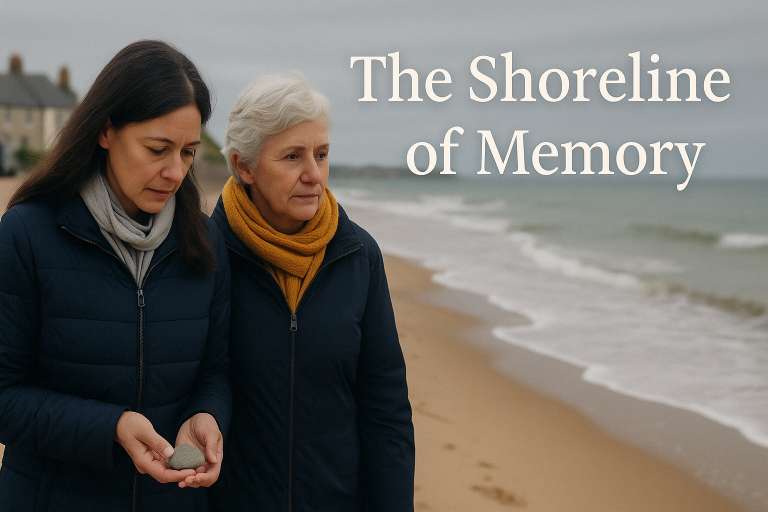
The Shoreline of Memory

The Afikoman We Carry | Pesach Sermon by Rabbi Adrian M. Schell
Omer Counting 2025
The Omer marks our journey from freedom to purpose — day by day, step by step. Download your free counting sheet now from my website and join the tradition of sacred time.
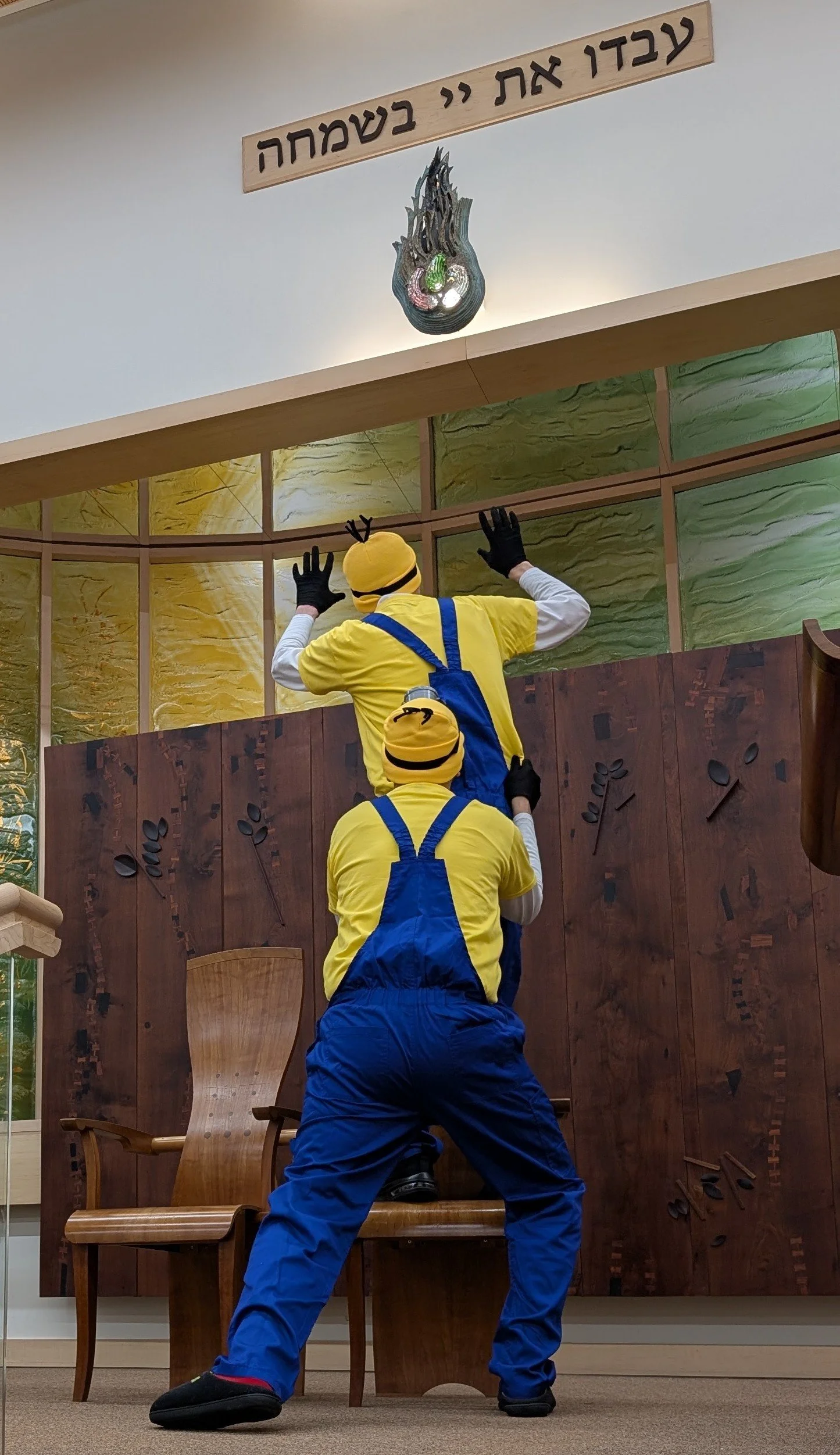
Bak, Buk, and the Great Purim Heist

In the Shadow of Beauty

Rabbi, do you believe in God?

The real test of morality

A Thought for Shabbat: The Mystery of God's Name

Jewish Perspectives on the Assisted Dying Debate

We will dance again—Simchat Torah 5785

Taking Responsibility in the Age of AI

Finding Awe in Uncertain Times

Finding Holiness in Vulnerability: Lessons from Hospital Chaplaincy